
Mia Amdur
 USA
USA- Mia's Story: A Young Girl's Battle with Sleep Apnea
- A Misdiagnosed Condition
- Early Diagnosis and Intervention
- Consequences of Untreated Apnea
- A Symptom-Free Childhood
- Standard Treatments
- Signs of Apnea
- The Link to ADHD
- Symptoms to Watch For
Mia's Story: A Young Girl's Battle with Sleep Apnea
A Nightmare for a Nine-Year-OldMia, a petite American girl with adenoids and obstructive sleep apnea, faces a nightly ordeal. Up to 27 times an hour, her tiny body stops breathing while she sleeps, a discovery that shocked her parents. Her father, Adam Amdur, admits he lost count trying to tally the interruptions.

A Misdiagnosed Condition
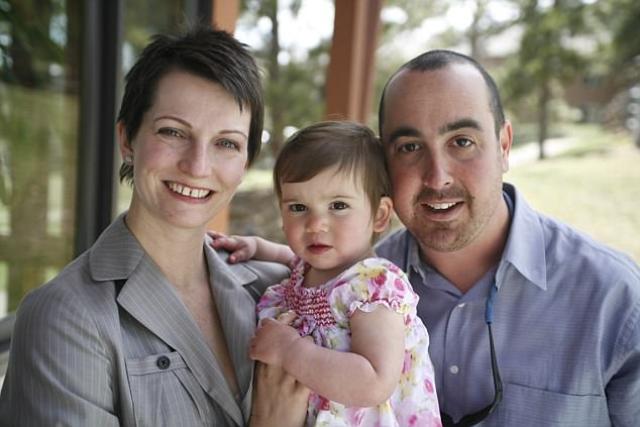
"She doesn't fit the stereotype of a child with sleep apnea who is overweight," says Adam, who now advocates for the American Sleep Apnea Association. Yet, Adam and his wife, Justine, were all too familiar with their daughter's symptoms. Obstructive sleep apnea (OSA), or "intermittent breathing," strikes individuals with adenoidal faces. Both father and daughter share this characteristic facial deformity that predisposed them to sleep apnea.

Early Diagnosis and Intervention
The Sarasota, Florida family sought help for Mia at the Stanford Sleep Center when she was two years old. Tests confirmed OSA, revealing up to 27 apneic events per hour. Anything over a couple of pauses is considered "abnormal" by doctors. Adam believes the early diagnosis and relentless treatment efforts likely halved his daughter's misery and potential fatal consequences.
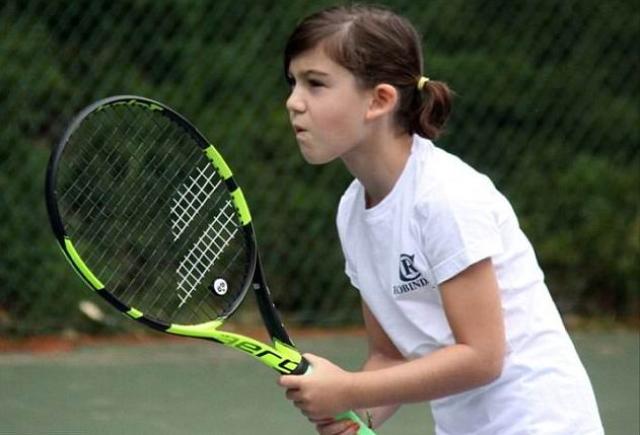
Mia underwent tonsillectomy, two rounds of orthodontic procedures to expand her palate and airway, and continuous positive airway pressure (CPAP) therapy, which delivers a stream of air through a mask that Mia wears every night. She even relies on CPAP while attending a summer camp for children with sleep disorders. Adam emphasizes the necessity, stating, "Without CPAP, she wouldn't feel better." He compares it to an airplane emergency, where oxygen masks are essential for survival.
Consequences of Untreated Apnea
Children with OSA face potential learning and behavioral issues, as well as heart conditions later in life. High blood pressure is a primary killer among untreated cases. About 10% of children snore, and about one-third of those have some form of sleep apnea. These breath-holding episodes can manifest as hyperactivity, sometimes leading to misdiagnosis of ADHD. Adam himself fell asleep behind the wheel at age 20, narrowly avoiding an accident; he was later diagnosed with OSA. His own sleep problems were so severe, he "literally couldn't get out of bed and my wife had to take care of me."

A Symptom-Free Childhood
No parent wishes such a fate upon their child. For Adam, knowing he and Justine can control Mia's sleep apnea means "she never has a bad day." Mia's immunity has also strengthened after the surgeries and CPAP treatment, reducing ear and sinus infections.
Standard Treatments
Enlarged tonsils are often the cause of OSA in children, and tonsillectomy is usually part of the treatment plan. In cases where surgery is unnecessary or ineffective, CPAP is commonly recommended. Full recovery from sleep apnea is not uncommon in children. While advanced obesity is a common cause of obstructive sleep apnea in adults and children, all weights are susceptible. Fortunately, the condition is highly treatable.
Signs of Apnea
"A child with sleep apnea doesn't have to live with it forever," says Dr. Tunel, pediatric otolaryngologist-in-chief at Johns Hopkins Hospital. Most cases don't involve "pure apneas," which cause high levels of choking. True pauses, according to Dr. Tunel, are telltale signs of severe OSA. Diagnostic testing is crucial if infants exhibit breathing difficulties, as a range of conditions, such as pulmonary or neurological disorders, can be at play. About 11% of children between ages 4 and 17 have diagnosed sleep apnea, according to the Centers for Disease Control and Prevention. The American Sleep Apnea Association estimates that 1-4% of all children suffer from sleep apnea.
The Link to ADHD
Dr. Tunel explains that since sleep duration and cognitive function are interconnected, it's not surprising that OSA can produce ADHD-like symptoms. Parents may observe increased hyperactivity, poor attention, and declining school performance in affected children. "Kids don't typically nap because their airways aren't completely blocked, so they have disturbed sleep, but not to the point of fragmenting it," Dr. Tunel explains. "We want them to get quality restorative sleep," he adds. "They have to be vigilant about it." Adam echoes this, noting, "No one should be prescribing Ritalin [colloquially known as 'kiddie cocaine']... until sleep studies have been done."
Symptoms to Watch For
Signs of sleep apnea in children include:Attention issues and declining grades
Snoring or unusual noises during sleep
Restlessness and hyperactivity
Bedwetting
Falling asleep in awkward positions
Frequent inquiries about how well they have slept


