Michael Arne
 Great Britain
- Biography of Michael Arne
- Education and Musical Career
- Rise to Fame and Personal Struggles
- Later Years and Legacy
Biography of Michael Arne
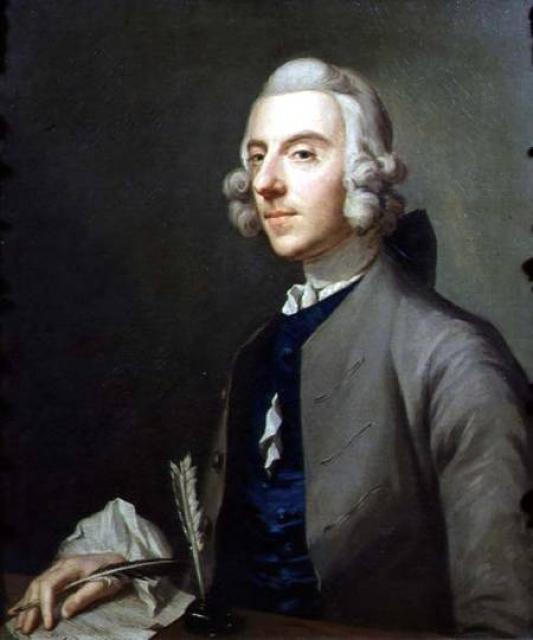
Early Life and FamilyMichael Arne was a British composer, harpsichordist, organist, singer, and actor. He was born in late 1740 or early 1741 in the Covent Garden district of London. His father, Thomas Arne, was a renowned composer, known for his contribution to the revival of English opera in the early 18th century. His mother, Cecilia Young, was a celebrated soprano from the influential Young musical family. Michael came from a lineage of distinguished composers, musicians, and performers.
Education and Musical Career
After 1745, Michael was primarily cared for by his aunt, the famous English actress Susannah Maria Cibber, due to his parents' frequent illnesses. It is likely that he received his early musical education under her guidance. He made his stage debut at the age of 10 as a page in Thomas Otway's tragedy "The Orphan or The Unhappy Marriage."
Michael began his musical career as a singer, performing in concerts and collaborating with various musicians. However, he realized that singing was not his true calling and focused on mastering the organ and harpsichord. On February 20, 1750, he gave his first solo performance with his father's organ concertos and remained the main performer of his father's organ works for the next 30 years. He also showed early talent as a composer, and his first collection of songs, "The Floweret," was published in 1750.
During the 1750s and 1760s, Michael performed as an organist and harpsichordist, composed music for theaters and orchestras in London parks and gardens, and published several song collections. He married an unknown woman who passed away shortly after, leaving him a widower.
Rise to Fame and Personal Struggles
In 1763, Michael met soprano Elizabeth Wright, and they married in 1766. The following year, Elizabeth performed the lead role in his opera "Cymon," which achieved great success. However, in the same year, Michael's interest in alchemy led him to build a laboratory in Chelsea, which drained his finances. This strained the relationship with his family, and in early 1769, he found himself in debtors' prison.
Tragically, Elizabeth passed away on May 1, 1769, and Michael was blamed by Charles Burney, a close friend of the Arne family, for contributing to her constant stress and exhaustion. Despite the hardships, Michael managed to rebuild his life and began touring in Germany and Ireland from 1771. He remarried in the fall of 1772, to another singer who performed in his compositions.
In Ireland, Michael resumed his search for the Philosopher's Stone and accumulated more debts, which he eventually paid off through tutoring. He returned to London in 1777 and worked as a composer at Covent Garden Theatre before moving to the Haymarket Theatre. Upon his father's death, Michael inherited his archives, including unpublished works, with the intention of publishing them. However, he never fulfilled this plan.
Later Years and Legacy
Michael Arne died in poverty from an illness on January 14, 1786, leaving his wife without means of support. Despite his struggles, he made significant contributions to the musical landscape of his time. As a moderately prolific composer, he wrote nine operas and collaborated with numerous other authors. His most successful opera, "Cymon," was performed both during his lifetime and in the early 19th century. Additionally, his song "Lass with the Delicate Air" became particularly renowned.
Michael Arne's life exemplifies the challenges faced by a talented musician in 18th-century society, as he navigated personal struggles, financial difficulties, and the pursuit of his artistic endeavors.