Michael Braykevych
 Ukraine
- Mikhail Braikevich: A Multifaceted Figure in Russian History
- Engineering Achievements
- Political Involvement and Public Service
- Mayor of Odessa during Turbulent Times
- Later Career and Emigration
Mikhail Braikevich: A Multifaceted Figure in Russian History
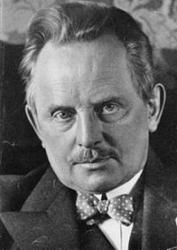
Mikhail Vasilievich Braikevich was a man of many talents and accomplishments. Born in Odessa to a noble family, he excelled in various fields, leaving a lasting mark on Russian society.
Engineering Achievements
Braikevich graduated from the prestigious Institute of Railway Engineers in St. Petersburg in 1896 as one of its top students. He went on to design and construct port facilities in Liepaja and a dreadnought at the Nikolaev Shipyard. In 1908, he was commissioned to construct a 142-kilometer railway line connecting Yeisk to the rest of Russia, a project he completed at record speed.
Political Involvement and Public Service
Braikevich was a member of the Constitutional Democratic Party but held no leadership positions. However, he was actively involved in public service. He served as chairman of the Odessa branch of the Imperial Russian Technical Society, vice-president of the Odessa Society of Fine Arts, and chairman of the Odessa Military-Industrial Committee. He also assembled a renowned collection of paintings by Russian artists.
Mayor of Odessa during Turbulent Times
In March 1917, Braikevich was appointed Mayor of Odessa amidst unrest and the arrest of the city's previous mayor. He took responsibility for the city's affairs, which had been severely disrupted by war and revolution. Braikevich organized elections for a new City Council, which he addressed, emphasizing the need for cooperation during a challenging period.
Later Career and Emigration
In October 1917, Braikevich was appointed deputy minister of commerce. However, he resigned in protest against the policies of his superior, who advocated for the curtailment of liberal economic reforms. He later participated in the political conference in Iași in November 1918, where Russian anti-Bolshevik forces sought assistance from the Allied Powers.
Setelah Odessa dievakuasi, Braikevich emigrated to England in 1920. He remained active in Russian émigré communities, serving as a member of various organizations, including the Russian Society in England, the Russian Trade and Industrial Union in Paris, and the Society of Russian Engineers in Paris. He also collaborated with the "Union of Representatives of Russian Industry and Trade" in London.
Mikhail Braikevich's life and work exemplify the spirit of service and intellectual achievement that characterized the elite of prerevolutionary Russian society. His contributions to engineering, public service, and the arts continue to be remembered and valued today.