Michel De la Barre
 France
- Michel de la Barre: French Virtuoso and Composer
- Orchestra and Ensemble Performances
- Innovative Flute Compositions
- Operas and Ballet
- Influence on French Flute Music
Michel de la Barre: French Virtuoso and Composer
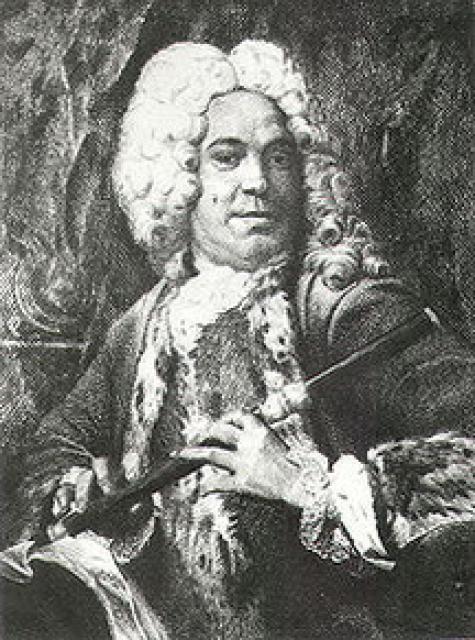
Early Life and TrainingMichel de la Barre was a multitalented French musician who lived from the late 17th to early 18th century. He was born into a family of musicians and received his early training in Paris.
Orchestra and Ensemble Performances
De la Barre distinguished himself as a skilled flutist, oboist, and bagpipe player (mюзетчик). He held esteemed positions in the orchestras of the Royal Academy of Music, the Royal Court, and the Paris Opera Ballet. He often performed in ensembles with renowned soloists of the era, including Antoine Forqueray and Jacques Hotteterre.
Innovative Flute Compositions
De la Barre made significant contributions to flute repertoire. His sonatas for unaccompanied flute duo were among the first of their kind in France. His other flute works were published in two collections: "Pieces for Flute and Basso Continuo" (1703-1706) and "Pieces for Trio of Violin, Flute, and Oboe" (1700).
Operas and Ballet
In addition to his instrumental works, De la Barre composed operas and ballet. His most notable works include the opera-ballets "Le Triomphe des arts" (1700) and "La V?nitienne" (1705), both with librettos by Houdar de la Motte.
Influence on French Flute Music
Michel de la Barre played a pivotal role in popularizing the flute in France. His virtuosic performances and innovative compositions inspired a generation of flute players and helped establish the instrument as a favorite in French music. His legacy continues to influence flutists and composers today.