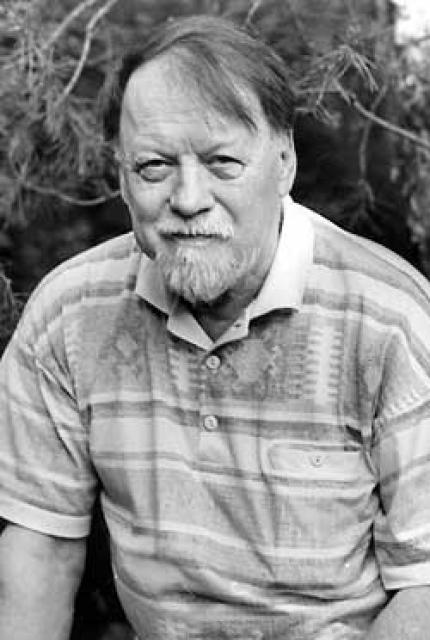
Mihail Roschin
- Михаил Рощин: A Renowned Russian Playwright
- Literary Beginnings
- Themes and Style
- International Acclaim
- Later Years
Михаил Рощин: A Renowned Russian Playwright
Early Life and EducationMikhail Roshchin was born on February 15, 1933, in Leningrad, Russia. From a young age, he exhibited a passion for literature and the arts. After completing his secondary education, he enrolled at the Maxim Gorky Literary Institute in Moscow, where he studied playwriting under the renowned playwright Viktor Rozov.
Literary Beginnings
Roshchin's career took off in 1956 when his first play, "Valentina," was staged at the Moscow Art Theatre. The play received critical acclaim for its realistic portrayal of everyday life in the Soviet Union. This success was followed by a series of successful plays, including "Echelon" (1958), "The Conciliatory Woman" (1963), and "The Unwritten Law" (1967).
Themes and Style
Roshchin's plays often delved into themes of social justice, morality, and the complexities of human relationships. His writing was characterized by a naturalistic style that blended humor and pathos to create relatable and emotionally resonant characters. Through his plays, Roshchin explored the challenges faced by ordinary people in a society undergoing rapid transformation.
International Acclaim
Roshchin's plays gained international recognition, with many being translated into various languages and staged around the world. His work received critical praise for its universal themes and insightful portrayal of human nature. In 1984, he was awarded the prestigious State Prize of the USSR for his contributions to Soviet literature.
Later Years
In his later years, Rochsin continued to write plays, including "The Right" (1987), "The Accusation" (1992), and "The Commission" (1998). He also authored several novels and screenplays. Mikhail Roshchin passed away on April 18, 2005, leaving behind a legacy of powerful and thought-provoking works that have become an integral part of Russian literature.