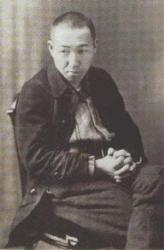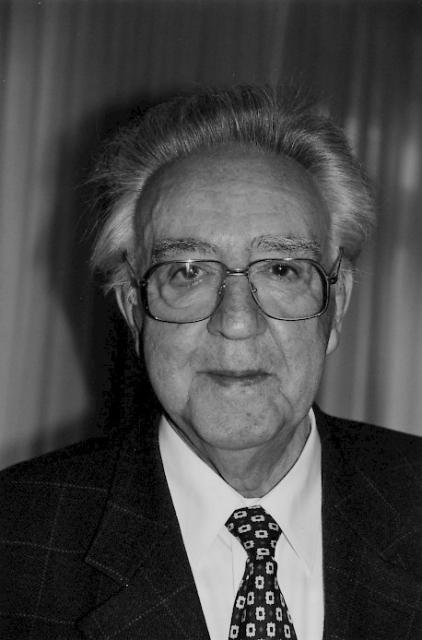
Milo Dor
 Austria
- Early Life and Education
- World War II and Postwar Years
- Literary Beginnings
- Literary Career
- Political and Cultural Involvement
- Personal Life and Legacy
Early Life and Education
Born in the Banat region and raised in Belgrade, Peter Handke was the son of a surgeon and a beautician. He joined the Communist youth movement and began writing poetry in Serbo-Croatian. However, his involvement in a strike led to his expulsion from high school in 1940.
World War II and Postwar Years
During World War II, Handke participated in the Yugoslav Resistance before being arrested in 1942. He was held in a camp and forced to work in Vienna. After the war, he studied theater and Romance philology at the University of Vienna, graduating in 1949.
Literary Beginnings
In 1949, Handke moved to Paris and later to West Germany in 1951. He joined the Group 47 and met the renowned poet Paul Celan. By 1955, he had settled in Vienna, spending several months each year in Rovinj, Croatia.
Literary Career
Handke's early works exhibited influences from Expressionism and Surrealism. He experimented with journalism, writing for radio and film. His literary output included historical and crime novels, children's books, essays, and memoirs. As a translator, he rendered works by renowned authors such as Ivo Andrić and Isaac Babel into German.
Political and Cultural Involvement
From 1971 to 1979, Handke served as vice president and later president of the Federation of Austrian Writers. He was also vice president of the Austrian PEN Club and later its honorary member. He received numerous literary and political awards, including the State Prize for Austrian Literature (1962) and the Bruno Kreisky Prize for Political Writing (2001).
Personal Life and Legacy
Handke's son, Milan Dör, became a renowned Austrian film director and screenwriter. Handke's literary legacy remains significant, influencing contemporary Austrian and German literature. His work continues to be read, discussed, and translated around the world.