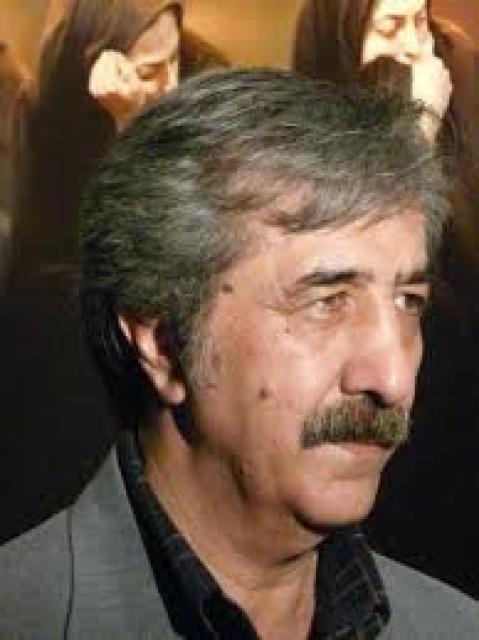
Morteza Katusian
 Iran
Morteza Katouzian is an Iranian painter and graphic artist whose meticulous realism brings everyday people and social experience into sharp focus. Born in Tehran in 1943, he developed his skills largely through self-directed practice, then spent decades painting, working in graphic design and teaching younger artists. His carefully observed portraits and scenes of Iranian life have made him one of the country’s best-known realist painters.
A self-directed beginning
Katouzian was born in Tehran on July 3, 1943, into a family that valued art. He was drawn to drawing as a child and devoted much of his free time to studying images and practicing on his own. He did not follow the conventional route of formal art-school training; instead, he built his technique through sustained observation and work.
By 1960 he was working professionally in painting and graphic design. The two disciplines informed one another: the clarity and economy of graphic art sharpened his compositions, while his painting practice allowed him to pursue texture, light and human expression in greater depth. Before and after Iran’s 1979 revolution, he worked in the country’s graphic arts community and was among the founders of the Graphic Designers’ Syndicate, serving on its board for two years.
Realist portraits and scenes of daily life
Katouzian became known for realist works rendered with close attention to faces, clothing, hands and the play of light. His subjects include portraits as well as children, older people, families and workers. Rather than treating realism as a display of technical precision alone, he used it to communicate dignity, vulnerability and the emotional weight of ordinary experience.
Paintings such as Barefoot Girl and The Traditional Iranian Family show his interest in the lives and relationships of everyday people. His work ranges from intimate portraits to broader social scenes, often inviting viewers to pause over a moment that might otherwise pass unnoticed. Oil painting and drawing both feature in his practice, and his images have circulated widely through exhibitions, books and posters.
Exhibitions and teaching
Katouzian’s exhibitions attracted large audiences in Iran. A 1979 exhibition at Tehran’s Museum of Contemporary Art was reported to have drawn around 20,000 visitors. In June 2008 he presented 94 works at the Sa’dabad Cultural-Historical Complex in Tehran. During that exhibition, UNESCO recognized his five decades of painting and three decades of teaching with a certificate of appreciation.
Teaching became a central part of his contribution. For about 30 years, he instructed young Iranian artists in drawing and realist techniques, sharing the patient study of proportion, perspective and light that underpins his own work. Several books reproducing his paintings have also helped make his work accessible to a wider public.
Legacy
Katouzian’s career bridges fine art and graphic design, while his realism remains rooted in close attention to people and lived experience. His paintings combine technical discipline with an empathetic view of their subjects, and his long teaching career extended that approach to successive generations of artists. He continues to be recognized as a major figure in contemporary Iranian painting.