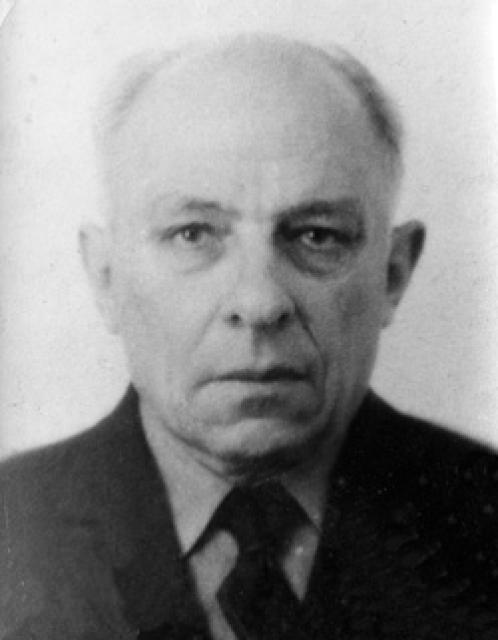
Mosey Averbach
Early Life and Arrests
Martemyan Nikitich Averbakh was born in Moscow to a Jewish merchant family. He graduated in 1930 from the Plekhanov Institute as a mining engineer. In 1934, he was arrested for organizing an aid fund for financially struggling classmates, a charge termed "counter-revolutionary Trotskyist activity." He received a three-year exile to Tula.
Imprisonment and Advocacy
In 1938, Averbakh was arrested again and sentenced to eight years in labor camps under a special administrative order (OSO). Initially assigned to logging, he was later transferred to Vorkuta, where he served as ventilation chief at Mine 40 from 1941 to 1961.
During his time in Vorkuta, Averbakh played a pivotal role in protecting fellow prisoners from deadly "common labor." Among those he saved were writer Alexei Eisner, economist Elkon Leykin, historian Pyotr Negretov, economist Pavel Fonberg, and American journalist Joseph Green.
Rehabilitation and Public Service
In 1956, Averbakh was rehabilitated on all charges. He retired in 1961 and returned to Moscow. He served on various public commissions and provided free legal consultations on civil and criminal cases. He also pursued writing and led a group of former Stalinist prisoners involved in distributing samizdat and tamizdat literature, shaping anti-Soviet public opinion.
Literary Work
Averbakh's magnum opus, "To the Greater Glory of the Lord (Ad majorem Dei gloriam)," is both an autobiographical novel and a historical document. Characters Morgunov and Ilyin embody aspects of Averbakh's own personality and experiences. The novel incisively analyzes the events of the 1930s in the Soviet Union.
Political obstacles prevented the novel's publication in the USSR, and Averbakh refused to send it abroad. It was posthumously published in 2008 by his grandson, Sergei Zagrayevsky.
Legacy
In addition to the novel, Averbakh wrote several short stories and novellas. His writings serve as a valuable historical source for the city of Vorkuta and the Ukhta-Pechora and Vorkuta labor camps. Alexander Solzhenitsyn often cites Averbakh's works in his own masterpiece, "The Gulag Archipelago."




