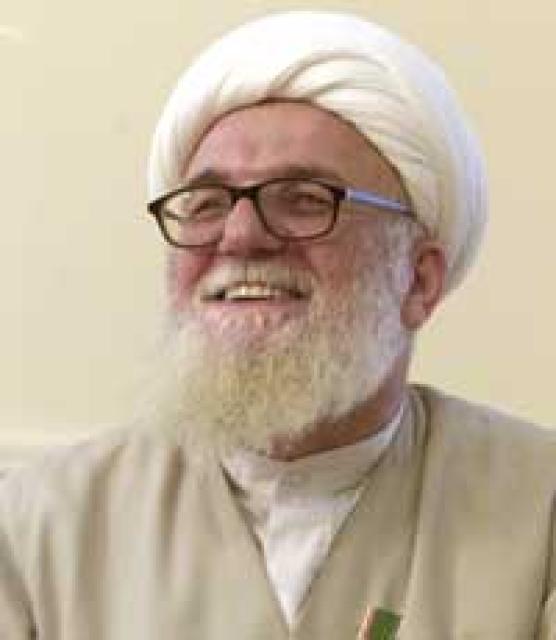
Muhammad Ali Tashiry
- Early Life and Education
- Rise to Prominence
- Political Involvement
- Views on Religious and Social Issues
- Support for Interfaith Dialogue
- Role in International Affairs
- Legacy
Ayatollah Muhammad Ali Tasjiri: A Prominent Iranian Cleric and Politician
Early Life and Education
Muhammad Ali Tasjiri, a highly influential Iranian Ayatollah, was born in a devout religious family in the city of Qom, Iran. From a young age, he showed a profound interest in Islamic studies and pursued theological education at the renowned religious seminaries in Qom.
Rise to Prominence
Tasjiri rapidly rose through the ranks of the Iranian clergy, becoming known for his erudition and dedication to Islamic principles. He became a close disciple of Ayatollah Ali Khamenei, the current Supreme Leader of Iran, and played a significant role in the Iranian Revolution of 1979.
Political Involvement
After the revolution, Tasjiri assumed various political and diplomatic roles. He served as the Iranian Ambassador to the United Nations from 1980 to 1986 and held several ministerial positions within the Iranian government. Tasjiri's political views align with the reformist wing within the Iranian clerical establishment, emphasizing the importance of public participation and modernization within the Islamic framework.
Views on Religious and Social Issues
Tasjiri rejects the notion that Iranian clergy are divided into conservative and reformist factions. He argues that all clerics support reform, although they may differ in their approaches to achieving it. He believes that Islamic scholars should advocate for individual freedoms and the rights of citizens.
Regarding the controversial case of Salman Rushdie's novel "The Satanic Verses," Tasjiri condemns the book as a provocative attack on Islam. He believes that Rushdie's insults to Muslim beliefs and figures constitute a grave offense and warrant the serious consequences he has faced.
Support for Interfaith Dialogue
Despite his strong religious beliefs, Tasjiri emphasizes the importance of interfaith dialogue and collaboration. He has met with Christian, Jewish, and other religious leaders to foster mutual understanding and promote cooperation. He views this as crucial for fostering harmony and reducing tensions within the global community.
Role in International Affairs
As the General Secretary of the World Organization for the Unity of Islamic Schools, Tasjiri is actively engaged in promoting unity and cooperation among different Islamic sects. He believes that spiritual leaders play a vital role in shaping relations between nations and strengthening intercivilizational dialogue.
Legacy
Ayatollah Muhammad Ali Tasjiri remains a highly respected and influential figure in Iran and beyond. His contributions to Islamic thought, political reform, and interfaith understanding have left an enduring legacy. He continues to advocate for a progressive, compassionate, and tolerant interpretation of Islam that embraces the principles of justice, equality, and harmonious coexistence.


