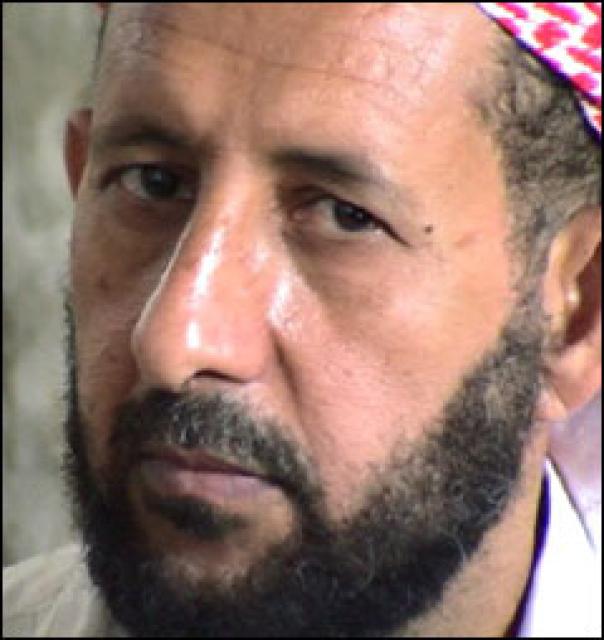
Muhammed Assad
 Pakistan
- The Conversion of Leopold Weiss
- Departure for Berlin and Journey to Journalism
- Encounters in Jerusalem and Embracing Islam
- Life in Arabia and India
- Representation of Pakistan in the UN
- Retirement and Final Years
The Conversion of Leopold Weiss
Early Life and EducationLeopold Weiss (1900-1991) was born into a prominent Jewish family in Lviv, Austria-Hungary. His father was a renowned lawyer, and his grandfather, a respected rabbi from Chernivtsi. Weiss displayed exceptional intelligence from a young age, mastering Jewish sacred texts by the age of 13. He studied art history at the University of Vienna but preferred to frequent Viennese cafes.
Departure for Berlin and Journey to Journalism
At 20, Weiss left Vienna for Berlin to pursue journalism. He worked as an assistant to renowned filmmaker F.W. Murnau before joining a Berlin news agency. Despite initial struggles, he gained recognition for an interview with Maxim Gorky's wife.
Encounters in Jerusalem and Embracing Islam
In 1922, Weiss traveled to Jerusalem at the invitation of his uncle, a psychiatrist. He became deeply impressed by the city's exotic atmosphere and found himself drawn to Arab Muslims rather than his Jewish compatriots. Through a like-minded friend, he met Emir Abdullah of Jordan and visited Syria, immersing himself in Arab life.
Upon returning to Berlin, Weiss married a painter 15 years his senior. Together, they embraced Islam, with Weiss changing his name to Muhammad Asad ("lion" in Arabic), echoing his previous name, Leopold.
Life in Arabia and India
Asad's wife died during the Hajj pilgrimage to Mecca, but he forged connections with influential Muslims there. He married the daughter of a local sheikh and penned pro-Arab articles for European newspapers. However, in Saudi Arabia, he became disillusioned and left for India.
In India, Asad joined the struggle for Muslim independence and became a close associate of Muhammad Iqbal and Muhammad Ali Jinnah. He also contributed to the launch of the first Urdu-language newspapers.
Representation of Pakistan in the UN
In 1951, Pakistan appointed Asad as its representative to the United Nations. He was known for his outspoken criticism of Israel and Zionism, yet he secretly met with Israeli officials. He also married a young Polish woman who converted to Islam, causing a scandal that led to his resignation.
Retirement and Final Years
Asad spent his later years in Spain, where he wrote extensively on Islam and other topics. He passed away in 1991, leaving behind a legacy as a prolific journalist, Islamic scholar, diplomat, and ambassador for Pakistan.


