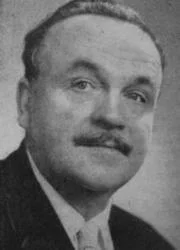
Nick Glennie-Smith
 Great Britain
Nick Glennie-Smith spent a career making music serve the scale and feeling of the screen. He was a composer, conductor, arranger and keyboardist whose work moved between British rock, pop recordings and Hollywood film scores. Moviegoers may know the surging orchestral sound of The Rock, The Man in the Iron Mask or We Were Soldiers more readily than his name, but behind the scenes he helped shape some of the most recognizable film music of the 1990s and 2000s. His versatility also made him a trusted collaborator of Hans Zimmer, while his own composing credits ranged from animated family films to historical epics.
From London to the music business
Nicholas Hugh Glennie-Smith was born in London on 3 October 1951. He entered the music world in the mid-1970s as a keyboard player with Wally, a progressive rock band from Harrogate. He joined in time for the group’s second album, Valley Gardens, and that early experience placed him in a world where musicians shifted easily between instruments, styles and studio roles.
Glennie-Smith’s career soon expanded beyond the bandstand. He became a session musician and keyboardist, working with artists including Paul McCartney, Roger Daltrey, Tina Turner and Roger Waters. His keyboard work with Waters included the 1986 animated film When the Wind Blows and the song “The Powers That Be” on the 1987 album Radio K.A.O.S. These credits reveal the musician’s range: he could contribute to a rock arrangement, program synthesizers and later bring the same practical fluency to a large orchestral recording.
A Hollywood collaborator
After moving from Britain to the United States, Glennie-Smith became closely associated with Hans Zimmer and the Media Ventures studio, later known as Remote Control Productions. Film scoring is a collaborative craft, and he worked in many of its roles: composer, arranger, orchestrator, keyboardist and conductor. In addition to writing music, he helped translate ideas into recorded performances, shaping the sound of scores through the orchestra and studio.
His breakthrough as a film composer came with The Rock (1996), on which he shared composer credit with Zimmer and Harry Gregson-Williams. The action film’s forceful, propulsive score suited its high-pressure story and established Glennie-Smith as more than a behind-the-scenes technician. He followed it with a run of prominent composing assignments, including Home Alone 3, The Lion King II: Simba’s Pride and The Man in the Iron Mask. The latter’s sweeping historical sound became one of the most visible examples of his talent for combining melodic drama with large-scale orchestral writing.
He continued to compose for features and television, including Highlander: Endgame, the miniseries Attila, We Were Soldiers and Secretariat. His score for We Were Soldiers drew on orchestra, chorus and ethnic instruments, balancing the martial scale of a war film with a more reflective, human quality. For Secretariat, he helped give a sports drama a soaring, forward-moving musical shape. He also wrote for the French historical theme park Puy du Fou, where his music accompanied large outdoor spectacles for audiences far beyond the cinema.
The craft behind the credits
Glennie-Smith’s filmography is full of supporting roles that are easy to miss if attention falls only on the principal composer. He conducted music for films such as The Lion King, Con Air, Pirates of the Caribbean: At World’s End, Transformers, X-Men: First Class and The Amazing Spider-Man 2. He also contributed additional music, arrangements and orchestration to projects including Crimson Tide, The Da Vinci Code and The Pirates of the Caribbean series. His long list of credits reflected the trust placed in a musician who could carry a score from the written page through a complex recording session.
That broad experience brought recognition within the industry. He received ASCAP honors connected with top-grossing films for The Rock, The Man in the Iron Mask and We Were Soldiers. The awards reflected both the popularity of those movies and the importance of their music to the cinematic experience.
Legacy
Colleagues remembered Glennie-Smith as a musician who could move naturally from the keyboard to the conductor’s podium, combining technical confidence with an instinct for emotional effect. His work was often collaborative and sometimes deliberately unobtrusive, but it helped give films their momentum, atmosphere and emotional scale. Whether he was scoring a Hollywood action picture, conducting a large ensemble or playing with a rock band, he treated music as a living performance rather than a layer added after the fact.
Glennie-Smith died at his home in Charlottesville, Virginia, on 16 August 2026, aged 74. He left behind a body of work that bridges popular music and film scoring, as well as generations of musicians who encountered his craft in studios and orchestras. His career stands as a reminder that the sound of a movie is built not by one name alone, but by skilled collaborators whose musical imagination helps the images take flight.