Nicolas Isouard
 France
- Benedetto Vincenzo Paolo Isouard
- Association with the Paris Opéra-Comique
- Collaborations and Musical Style
- Critical Acclaim and Maturation
- Operatic Triumphs
- Legacy
Benedetto Vincenzo Paolo Isouard
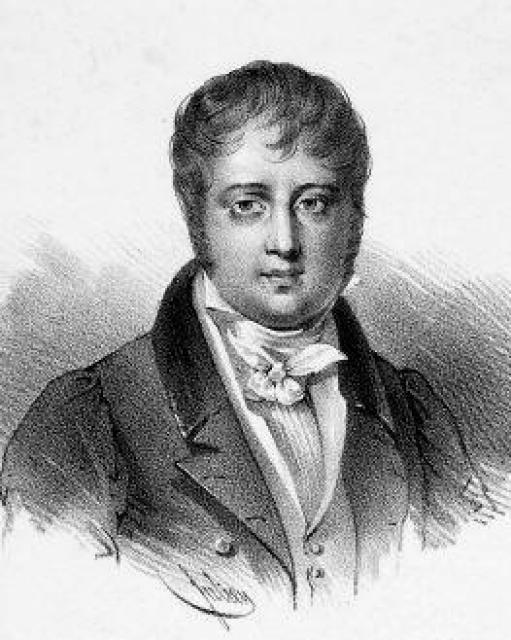
Early Life and InfluencesBenedetto Vincenzo Paolo Isouard, a French opera composer of Maltese descent, was born in Malta on 14 December 1775. His musical journey began at an early age, where he studied with local musicians and demonstrated exceptional talent.
Association with the Paris Opéra-Comique
In 1799, Isouard traveled to Paris seeking opportunities to pursue his musical aspirations. His breakthrough came with the premiere of his opera "Montano et Stéphanie" at the Opéra-Comique, a Parisian institution renowned for its comic operas. This successful debut established Isouard as a rising star in the French musical scene.
Collaborations and Musical Style
Isouard's prolific career was marked by numerous collaborations. Notably, he worked closely with the esteemed composer Rodolphe Kreutzer, who became his patron and mentor. Isouard's compositional style, characterized by its melodic beauty and charming harmonies, delighted audiences throughout the early 19th century.
Critical Acclaim and Maturation
While Isouard's operas were often composed hastily, his later works demonstrated a significant shift in his approach. Facing competition from composers such as François-Adrien Boieldieu, Isouard imbued his operas "Joconde" and "Jeannot et Colin" with a newfound seriousness and depth.
Operatic Triumphs
"Joconde" and "Cendrillon" became the most celebrated of Isouard's operas, achieving significant success in both France and Germany. These works were renowned for their captivating melodies, engaging librettos, and enduring popularity.
Legacy
Isouard's legacy as a prominent figure in French opera remains undisputed. He left an indelible mark on the Opéra-Comique and contributed a substantial body of work to the genre. His 38 operas, along with his sacred music and songs, continue to be performed and enjoyed by audiences today.