Night Shyamalan
 USA
USA- M. Night Shyamalan: A Renowned Indian-American Filmmaker
- Early Life and Career
- Breakthrough with "The Sixth Sense"
- Commercial Success and Critical Acclaim
- Controversial Releases and Legal Disputes
- Later Projects and Challenges
- Critical Assessment
M. Night Shyamalan: A Renowned Indian-American Filmmaker
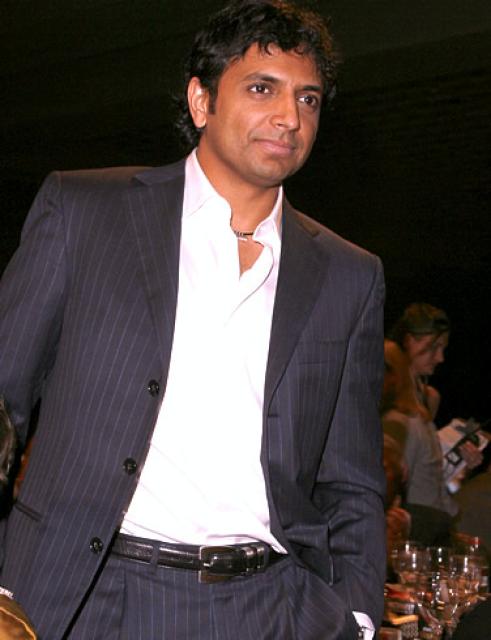
M. Night Shyamalan, an Indian-American filmmaker, has left an indelible mark on Hollywood as the director and screenwriter behind major studio films. His name is synonymous with supernatural, twist-laden thrillers such as "The Sixth Sense" (1999) and "Signs" (2002), which have garnered widespread acclaim and box-office success.
Early Life and Career
Shyamalan was born in Pondicherry, India, on August 6, 1970. His passion for filmmaking ignited during his college years at New York University, where he drew inspiration from the works of Alfred Hitchcock. Shyamalan's debut film, "Praying with Anger," was released in 1992 while he was still a student. His second feature, the major studio release "Wide Awake," was completed in 1995 but remained unreleased for three years due to a lack of financial backing.
Breakthrough with "The Sixth Sense"
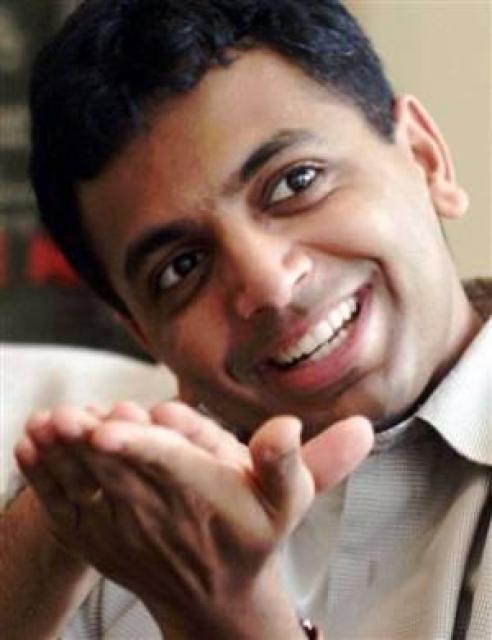
In 1999, Shyamalan gained international recognition as the screenwriter and director of the chilling thriller "The Sixth Sense." The film, starring Bruce Willis, was nominated for six Academy Awards, including Best Director and Best Original Screenplay. It became one of the highest-grossing films of the year, grossing over $600 million worldwide.

Commercial Success and Critical Acclaim
Following the triumph of "The Sixth Sense," Shyamalan released "Unbreakable" in 2000, again starring Bruce Willis and featuring Samuel L. Jackson. The superhero film received mixed reviews but was praised by critics for its subtlety and intelligence. Shyamalan continued his string of commercial and critical successes with "Signs" (2002), which starred Mel Gibson and Joaquin Phoenix. The alien invasion thriller was a financial triumph and garnered positive reviews from many critics.
Controversial Releases and Legal Disputes
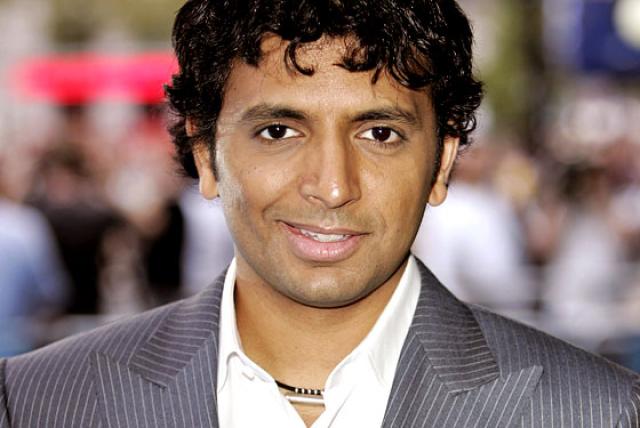
However, Shyamalan's career hit a snag with the release of "The Village" (2004), starring Sigourney Weaver and Joaquin Phoenix. The film was a critical and commercial disappointment, setting the stage for an even more drastic decline. "Lady in the Water" (2006) was met with overwhelming negative reviews and was nominated for a Golden Raspberry Award for Worst Picture. Despite the critical backlash, the film's bizarre premise resonated with some audiences, making it a cult favorite.
Later Projects and Challenges
Shyamalan's subsequent films, "The Happening" (2008) and "The Last Airbender" (2010), struggled to meet expectations. "The Happening," a disaster horror film, received some positive reviews but was dismissed by many critics. "The Last Airbender," an adaptation of the popular animated series, was a critical and commercial failure, leading to Shyamalan being denied the opportunity to direct "Harry Potter and the Half-Blood Prince."
In recent years, Shyamalan has faced accusations of plagiarism. A Pennsylvania screenwriter sued Shyamalan, alleging that "Signs" was stolen from his unpublished script "Lord of the Barrens." American author Margaret Peterson Haddix also considered legal action after noting similarities between "The Village" and her children's novel "Running Out of Time."
Critical Assessment
While Shyamalan has faced criticism for his reliance on plot twists and his tendency to prioritize direction over writing, there is no doubt that he has made a significant contribution to the world of cinema. His films continue to captivate audiences with their themes of faith, identity, and the supernatural. Despite the setbacks he has faced, Shyamalan remains a unique and influential filmmaker whose work has left a lasting impact on the industry.