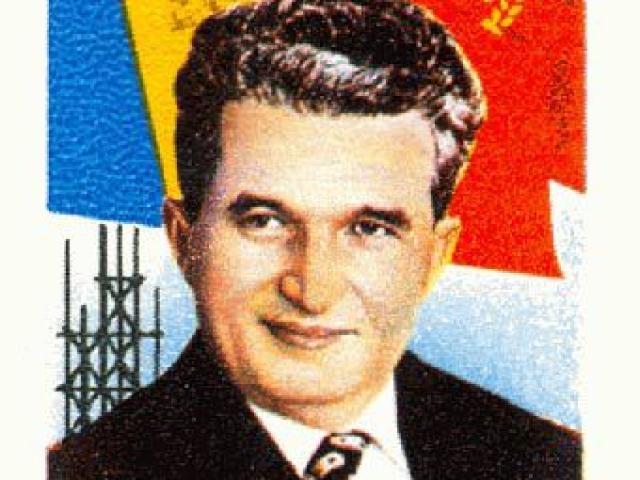
Nikolae Chaushesku
 Romania
- From Scornicești to the Communist Party
- Taking power and challenging Moscow
- The personality cult and the cost of ambition
- Revolution and final days
- Legacy
Nicolae Ceaușescu rose from a rural Romanian childhood to rule his country for nearly a quarter-century, first as Communist Party leader and later as president. Early in his tenure he drew international attention for asserting Romania’s independence from Moscow. Over time, however, his government became an increasingly repressive personal dictatorship, and policies pursued in the name of national strength left ordinary people facing scarcity, surveillance and fear. In December 1989, the regime collapsed in a revolution; Ceaușescu and his wife were captured, tried and executed.
From Scornicești to the Communist Party
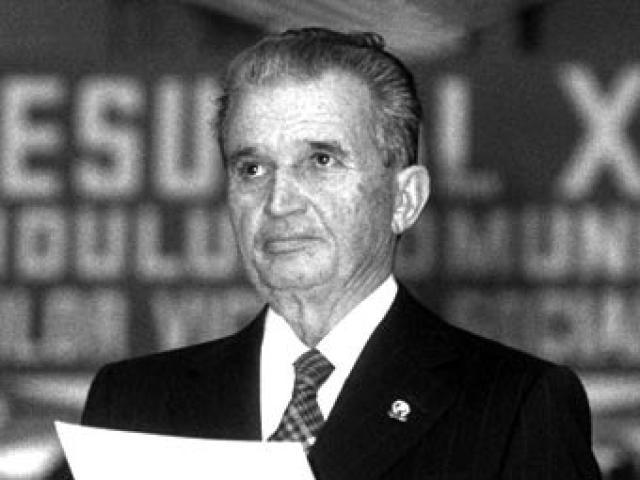
Ceaușescu was born on January 26, 1918, in Scornicești, a village in southern Romania. One of ten children in a peasant family, he left home at about 11 and went to Bucharest, where he trained as a shoemaker’s apprentice. As a teenager he became involved in the underground Romanian Communist Party, which was illegal at the time. His organizing led to repeated arrests and prison terms during the 1930s and early 1940s.
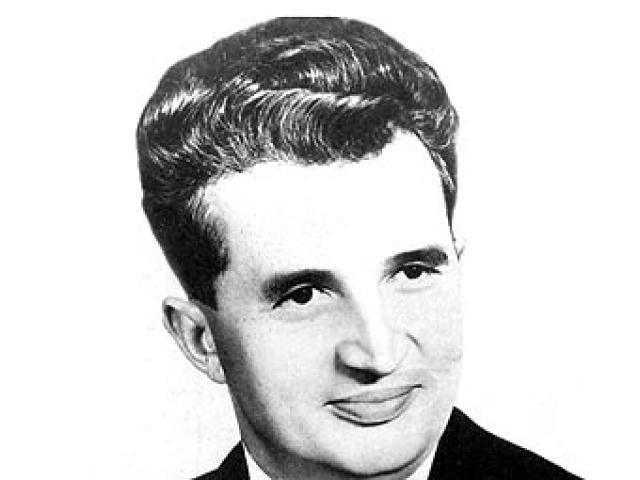
He met Elena Petrescu in the late 1930s; they married in 1947. After the Communist Party took power following the Second World War, Ceaușescu advanced through party and government posts. He became a member of the party leadership in 1955 and rose to prominence as the regime consolidated itself under Gheorghe Gheorghiu-Dej.
Taking power and challenging Moscow
When Gheorghiu-Dej died in 1965, Ceaușescu succeeded him as leader of the Romanian Communist Party. He became head of state in 1967 and, after the presidency was created, took that title in 1974. In the early years of his rule, he gained support at home and abroad by pursuing a foreign policy that appeared more independent of the Soviet Union than that of other Warsaw Pact states.
The defining moment came in August 1968, when Ceaușescu publicly condemned the Soviet-led invasion of Czechoslovakia and kept Romanian forces out of the operation. Western governments and visitors treated him as an unusually independent Communist leader. U.S. President Richard Nixon visited Romania in 1969, and Ceaușescu cultivated diplomatic ties beyond the Soviet bloc.
His domestic government, however, offered little political pluralism. The Communist Party controlled the state, censorship restricted public debate, and the Securitate secret police monitored citizens and pursued dissent. Ceaușescu increasingly concentrated power around himself and Elena, who became a senior party figure and official in her own right.
The personality cult and the cost of ambition
A 1971 visit to China and North Korea helped prompt Ceaușescu to tighten ideological control at home. His government elevated him through an elaborate personality cult, using public ceremonies, official portraits and compulsory praise to present him as the nation’s indispensable leader. Elena also received an expanding public profile, while family members and close associates were appointed to influential positions.
The state pursued aggressive industrialization and grand construction schemes. Ceaușescu’s policy of “systematization” sought to reshape towns and villages, displacing residents and demolishing historic neighborhoods and rural settlements. In Bucharest, the enormous Palace of the Republic became the most visible symbol of this drive.
His demographic policies were also intrusive. Decree 770, introduced in 1966, severely restricted abortion and contraception in an effort to raise the birth rate. The policy led to dangerous, often clandestine procedures, maternal deaths and a large number of children abandoned to state institutions. It imposed the government’s priorities directly on family life.
During the 1980s, Ceaușescu accelerated repayment of Romania’s foreign debt by forcing exports and restricting domestic consumption. Food, heating, electricity and medicine became difficult to obtain. The hardship sharpened public anger, while the security apparatus continued to repress opposition.
Revolution and final days
In December 1989, protests began in Timișoara after authorities attempted to evict Hungarian pastor László Tőkés. The demonstrations grew into a broader revolt against the regime, and security forces responded with violence. On December 21, a mass rally in Bucharest that had been staged to display loyalty to Ceaușescu turned into a public expression of dissent, broadcast live on television.
The following day, as crowds filled the capital and the army shifted its position, Ceaușescu and Elena fled Bucharest by helicopter. They were captured and held at Târgoviște. On December 25, a military tribunal conducted a brief trial and sentenced them to death. They were executed the same day. The speed and procedure of the trial have remained controversial, but the outcome ended Ceaușescu’s rule and Romania’s Communist regime.
Legacy
Ceaușescu’s legacy remains a stark contrast between foreign-policy independence and domestic repression. His resistance to Moscow brought him temporary international prestige, but it did not translate into greater freedom for Romanians. Instead, centralized control, a pervasive secret police, coercive social policies and austerity helped turn his government into one of Europe’s harshest dictatorships. The revolution that ended his life also became Romania’s violent break with the system he had built.


