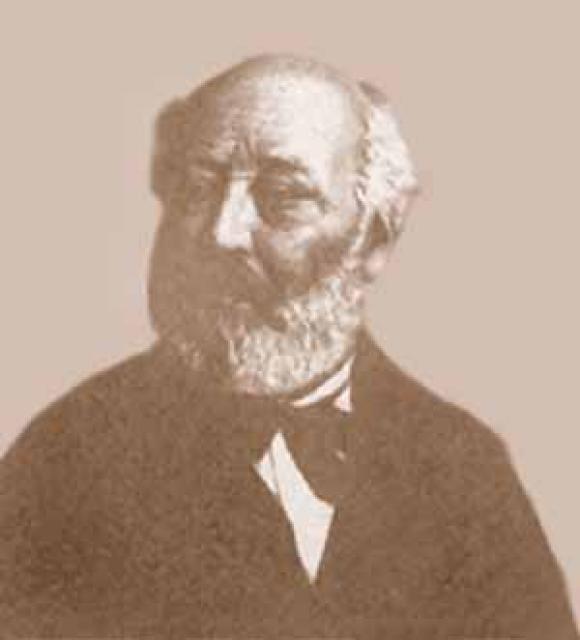
Nikolaj Blagoveshenskij
- Early Life and Academic Influences
- Study Abroad and Academic Achievements
- Pedagogical Career in Kazan and Petersburg
- Major Works and Scholarly Achievements
- Advocacy for Educational Reform and University Leadership
- Later Years and Legacy
Early Life and Academic Influences
Nikolai Mikhailovich Благовещенский (1821-92) was a Russian philologist who made significant contributions to classical scholarship. Born in 1821, he studied at the Pedagogical Institute, where his interest in classical philology was sparked by the teachings of Professor F.B. Grefe.
Study Abroad and Academic Achievements
Благовещенский pursued further studies in Europe, working with renowned scholars such as Gottfried Hermann, W. Ad. Becker, and M. Haupt in Leipzig, and Kreuzer and Baer in Heidelberg. As an adjunct professor at Kazan University, he wrote and defended his master's and doctoral dissertations, which focused on Greek statuary and Roman tragedy.
Pedagogical Career in Kazan and Petersburg
Благовещенский's successful teaching career in Kazan laid the foundation for his transition to St. Petersburg in 1852. There, he became a professor at the Pedagogical Institute and later at St. Petersburg University, where he was the first native Russian to hold a professorship. He delivered lectures in Latin and introduced a comprehensive approach to ancient world studies.
Major Works and Scholarly Achievements
Благовещенский's most notable works include:"Horace and His Time" (1864):A thorough examination of the poet, focusing on his political views.
"Satires of Persius" (1873):A Latin text, Russian translation, and commentary, considered by the author as his most significant scholarly accomplishment.
"Juvenal" (1859):Public lectures and translations of selected satires, contributing to the appreciation of the Roman poet.
In addition to his scholarly work, Благовещенский wrote numerous popular articles on classical subjects for general literary magazines.
Advocacy for Educational Reform and University Leadership
Благовещенский was an advocate for educational reform, criticizing the closure of the Pedagogical Institute. He served as rector of Warsaw University from 1872 to 1883 and later as a member of the Ministry of Education's council.
Later Years and Legacy
In his later years, Благовещенский returned to his interest in ancient art, publishing a book on Winckelmann and Greek sculpture. He also delivered public lectures on Roman clients during the reign of Domitian. Благовещенский's contributions to classical philology and educational advancement continue to be studied and valued today.


