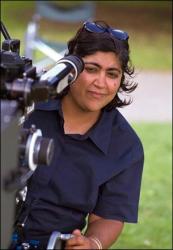
Nikolay Dreyden
 Russia
- Playing with Historical Figures: Nikolai Lebedev's "Lyonka Panteleev"
- Adapting Brecht's Inspiration
- The Timely Relevance of Historical Events
- Embracing the Protagonist's Innocence
- Avoiding Biographical Dogma
- Music as a Bridge to the Past
- The Significance of the Pushkin Theater
- Parental Influences
- The Future of Theatrical Direction
Playing with Historical Figures: Nikolai Lebedev's "Lyonka Panteleev"
Inception of the "Noble Robber"Nikolai Lebedev, a renowned film and television director and screenwriter, was inspired to create a theatrical production of "Lyonka Panteleev" after a suggestion from Adolf Shaprio. Exploring the essence of Bertolt Brecht's theater, Lebedev aimed to present the play as a direct address to human experiences, avoiding sterile aestheticism.
Adapting Brecht's Inspiration
Mindful of the legal complexities surrounding Brecht's "The Threepenny Opera," Lebedev and his team decided to emulate the playwright's own approach by adapting John Gay's "The Beggar's Opera." This strategy allowed for greater artistic freedom and the exploration of political corruption, as Brecht had originally intended.
The Timely Relevance of Historical Events
Initially, Lebedev considered setting the story in the 1990s, but realized that sufficient time was needed to gain artistic detachment. However, the play's historical context remained relevant, reflecting the timeless struggle between human ideals and societal corruption.
Embracing the Protagonist's Innocence
Lyonka Panteleev embodies an unwavering belief in ideals and a childlike innocence. Lebedev recognized this as a quality worth preserving in himself, despite the tendency towards caution and cynicism in adulthood.
Avoiding Biographical Dogma
While researching Panteleev's historical counterpart, Lebedev prioritized artistic interpretation over strict adherence to the facts. He believes that art can uncover universal truths and evoke emotions, regardless of specific historical details.
Music as a Bridge to the Past
The play's music selection was carefully curated to evoke the era it depicted and to connect with the audience's emotions. From "Siren" to "Parokhod," the songs serve as a poignant reminder of both the optimism and hardships of the past.
The Significance of the Pushkin Theater
Lebedev chose the Pushkin Theater for its historical significance to his family. His grandfather and his collaborator's grandfather had worked there, making it a meaningful space for the production. The theater's architectural details, such as the Soviet Union's герб, further enhanced the play's atmosphere and themes.
Parental Influences
Lebedev's parents, playwright Alla Sokolova and actor Sergei Dreyden, play advisory roles in his work. While he values their opinions, he approaches them with caution, recognizing their potentially formative influence. Dreyden tends to prefer more traditional theatrical methods, while Sokolova encourages Lebedev's artistic experimentation.
The Future of Theatrical Direction
Lebedev plans to temporarily step away from theater to focus on filming "Lyonka Panteleev." However, the collaborative and immersive methods he employs in the theater will continue to shape his filmmaking process, providing a unique blend of cinematic expression and stagecraft.