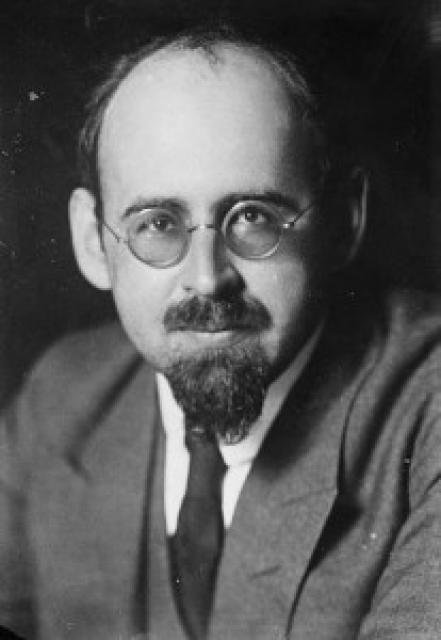
Nikolay Krestinskiy
- Early Life and Political Career
- Education and Revolutionary Activities
- Leadership in the Soviet Government
- Member of the Politburo and Orgburo
- Diplomatic Career and Government Service
- Political and Governmental Positions
- Repression and Rehabilitation
- Rehabilitation
Early Life and Political Career
Born in UkraineNikolai Ivanovich Rykov was born in Mogilev, Ukraine, in 1881. A Ukrainian by ethnicity, he joined the Russian Social Democratic Labour Party in 1903.
Education and Revolutionary Activities
Rykov graduated from St. Petersburg University in 1907. During the Russian Revolution of 1917, he served as Chairman of the Ural Regional Committee and Deputy Chairman of the Yekaterinburg City Committee of the party. He also played a key role as Chairman of the Yekaterinburg Military Revolutionary Committee.
Leadership in the Soviet Government
People's Commissar of Finance and party SecretaryFrom 1917 to 1918, Rykov was a member of the Collegium of the People's Commissariat of Finance. In 1918, he became People's Commissar of Finance, responsible for the Soviet Union's financial system. From 1919 to 1921, he concurrently served as Secretary of the Central Committee of the Russian Communist Party (Bolsheviks). His membership in the Central Committee spanned from 1917 to 1921.
Member of the Politburo and Orgburo
Rykov's political prominence grew, and he became a member of the Politburo, the party's highest decision-making body, from 1919 to 1921. He also held positions in the Orgburo, responsible for organizational matters, from 1919 to 1921.
Diplomatic Career and Government Service
Representative to GermanyAfter leaving the Secretariat in 1921, Rykov served as the representative of the Russian Soviet Federative Socialist Republic (RSFSR) in Germany. Later, when the Soviet Union was formed, he continued in this role as the USSR's representative.
Political and Governmental Positions
From 1930 onwards, Rykov held various positions within the Soviet government, including Deputy Foreign Minister and First Deputy Foreign Minister. In March-May 1937, he briefly served as Deputy People's Commissar of Justice.
Repression and Rehabilitation
Arrest and ExecutionRykov's career took a tragic turn in May 1937 when he was arrested and expelled from the party. On March 13, 1938, the Military Collegium of the Supreme Court of the USSR sentenced him to death. He was executed two days later on March 15, 1938.
Rehabilitation
Over two decades later, on July 8, 1963, the Military Collegium of the Supreme Court cleared Rykov's name. The Central Committee of the Communist Party of the Soviet Union (KPK) restored his party membership on July 19, 1963.




