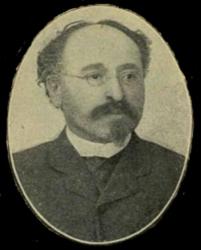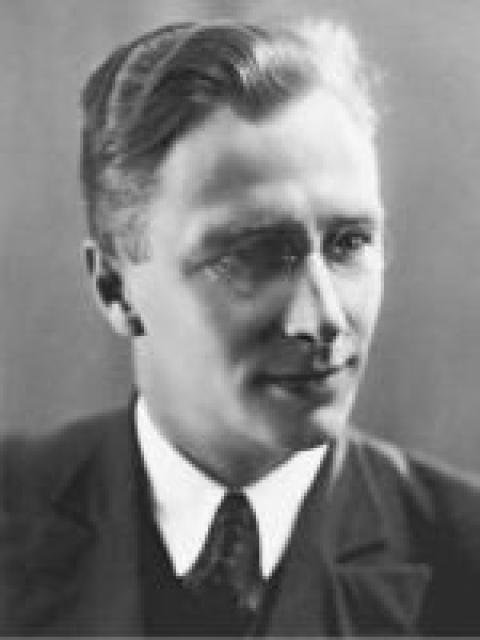
Nikolay Shpanov
 Russia
- Nikolai Shpanov: A Pioneer in Soviet Military Fiction
- Early Life and Education
- Literary Career
- "Pervy Udar" (First Strike): A Visionary Tale of Warfare
- A Detailed Account of the First Day of War
- Criticisms of Soviet War Propaganda
- Later Works and Legacy
Nikolai Shpanov: A Pioneer in Soviet Military Fiction
Nikolai Nikolaevich Shpanov (1896-1961) was a renowned Soviet writer and screenwriter whose works played a significant role in shaping the nation's military aviation doctrine.
Early Life and Education
Born in Nikolsko-Ussuriiskoye in the Russian Far East, Shpanov's father was a railroad worker. He pursued higher education, completing two years at the Polytechnic Institute and later graduating from the Higher Airship School in Leningrad.
Literary Career
Shpanov began publishing in 1926 and became a prolific author. He served as an editor for aviation-related magazines such as "Vestnik Vozdushnogo Flota" and "Samolet." In 1939, he was inducted into the Union of Soviet Writers.
"Pervy Udar" (First Strike): A Visionary Tale of Warfare
Shpanov's most famous work, "Pervy Udar," was published in 1939 on the eve of World War II. It was billed as "Soviet military fantasy" and was issued in the "Library of the Commander" series by the Military Publishing House of the People's Commissariat of Defense. The book aimed to popularize the Soviet военно-авиационная доктрина (military aviation doctrine).
According to Shpanov, the war could begin thus: "Major enemy aviation formations have crossed the Soviet border, and their aircraft have been met by our air force units. After a protracted struggle, enemy aircraft withdrew, pursued by our airmen..."
A Detailed Account of the First Day of War
Shpanov then meticulously chronicles the events of the first day of war, describing air battles and aerial maneuvers in minute detail. He depicts the Red Army's air force as triumphant, swiftly repelling the German invasion and launching devastating counterattacks.
Criticisms of Soviet War Propaganda
Despite its popularity, "Pervy Udar" was later criticized for its excessive optimism and failure to anticipate the true horrors of the upcoming conflict. Historian A.S. Yakovlev bemoaned the "ill-fated 'fantasy'", which sowed the illusion that the war would be swift, bloodless, and fought on enemy territory.
Later Works and Legacy
Throughout his career, Shpanov authored over 30 books, many of which focused on wartime themes. His other notable works include "Podzhigateli" (Arsonists) and "Voina Nevidimok" (The War of the Invisibles). Nikolai Shpanov's writings continue to be studied and debated by historians and military analysts, leaving an enduring mark on the genre of Soviet military fiction.