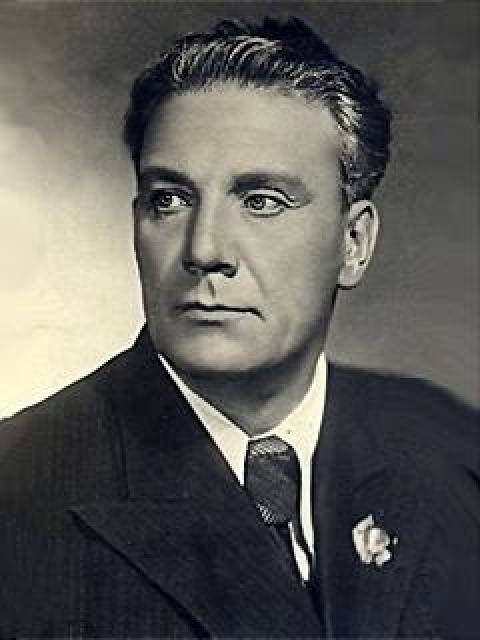
Nikolay Simonov
- Early Life and Education
- Career on the Stage
- Film and Television
- Artistic Endeavors
- Honors and Accolades
- Legacy and Influence
Early Life and Education
Nikolai Simonov, a renowned Soviet actor, was born in 1901 in the city of Serpukhov, near Moscow. He initially studied painting at the Academy of Arts in Petrograd from 1919 to 1922. However, his passion for the stage led him to pursue a career in acting.
Career on the Stage
In 1924, Simonov graduated from the Leningrad Institute of Arts and began his acting career with the Leningrad Theatre of Drama named after Aleksandr Pushkin. He remained with the theater until 1932, when he moved to the Kuibyshev Theatre named after Maxim Gorky. In 1933, he returned to the Leningrad Theatre of Drama, where he remained for the rest of his career.
Film and Television
Simonov's memorable performances on stage were not confined to the theater. He also graced the silver screen and television, capturing the hearts of audiences. His most notable roles included Peter the Great in the 1938 film "Peter the First" and Fyodor Protasov in the 1956 film "Uncle Vanya."
Artistic Endeavors
Beyond his acting career, Simonov also pursued his passion for painting. His second nature, as he called it, found expression through the canvas. His artwork was characterized by its emotional depth and keen observation of the human condition.
Honors and Accolades
Simonov's exceptional talent and contributions to the arts were recognized with multiple State Prizes of the USSR. His performances were lauded for their authenticity, emotional intensity, and profound understanding of human nature.
Legacy and Influence
Nikolai Simonov passed away in 1973, leaving behind a remarkable legacy in the world of acting. His unwavering pursuit of truth and excellence inspired countless aspiring actors and artists alike. He remains an icon of Soviet cinema and a symbol of the enduring power of the human spirit.