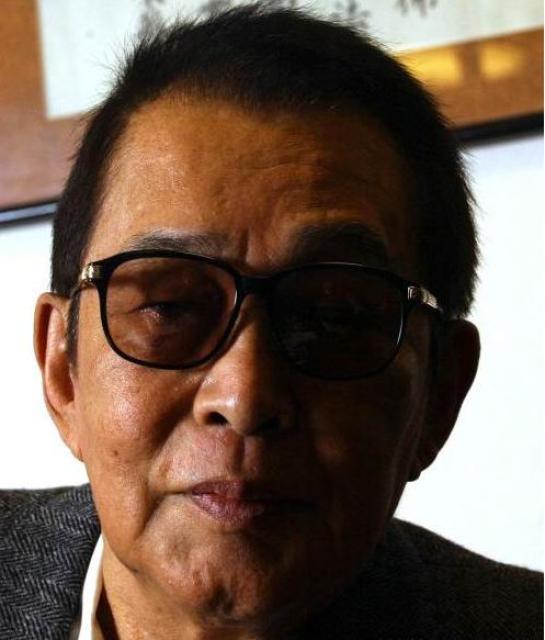
Noboru Ando
 Japan
Japan- Birth and Early Life
- Military Service and Crime
- The Ando-gumi Family
- Arrest and Imprisonment
- Post-Prison Career
- Acting
- Directing and Other Ventures
- Later Life
- Legacy
Birth and Early Life
Noboru Ando was born in Higashi, Okuho, Tokyo, the eldest of four children. His family had samurai ancestry. He completed elementary school in Yokohama and continued his education in Manchuria, where his father worked. Ando was expelled from high school multiple times and was sent to a reform school for theft.
Military Service and Crime
In 1943, Ando was drafted into the Navy. He volunteered for flight school to become a kamikaze pilot. After the war, he returned to Tokyo and attended Hosei University while pursuing a criminal career. Ando quickly rose through the ranks of the Yakuza, eventually becoming the boss of the Ando-gumi gang in 1952.
The Ando-gumi Family
The Ando-gumi consisted of former college students and, at its peak, had 300 members. It controlled the Shibuya district, owning property and nightclubs. The gang had connections to American military personnel and was involved in smuggling and black market activities throughout the 1950s. Ando's signature scar, which he showcased in films, was acquired in a fight with Korean gangsters at a pier in Osaka.
Arrest and Imprisonment
In June 1958, Ando ordered the assassination of businessman Hideki Yokoi, who had insulted him. Ando was arrested after 35 days of being an outlaw. He was sentenced to six years in prison for conspiracy to murder.
Post-Prison Career
Upon his release from prison in December 1964, Ando officially disbanded his family after the death of a close friend. He wrote a memoir titled "The Book of a Man Written on His Face." In 1965, the book was read by film director Tai Kato, who cast Ando in the lead role of a film adaptation.
Acting
Ando became a highly sought-after actor, appearing in over two dozen Toho films. He worked with directors such as Kinji Fukasaku and Hideo Gosha. His most notable role was in Gosha's "Evil Streets," where he played a former gangster boss struggling to readjust to civilian life.
In 1967, Ando was invited to Toei Studios by producer Koji Shundo. He starred in 51 films for the studio, including works by notable directors Teruo Ishii and Fukasaku. He also made several films detailing the history of himself and his gang, the most famous being "Noboru Ando's Record of My Way and Sex" (1976), in which he played himself.
Directing and Other Ventures
In 1976, Ando directed the documentary "Yakuza zankoku hiroku: kataude." He gradually reduced his acting career after 1979. During the late 1970s, Ando transitioned to business and consulted on Yakuza-themed films. He also produced films and wrote novels.
Later Life
Ando returned to acting in 1997, appearing in "The True Face of Shinjuku: The Story of the Shinjuku Delinquent Gangs." In 2002, he participated in Takashi Miike's "True Story Ando Noboru Gangster Legend: Rekka."
Legacy
Ando once said, "Acting in movies is not that difficult. It is well known that all Yakuza have to be decent actors. It is one of the necessary skills for their profession." He maintained a stone-faced demeanor in films, a mask meant to convey the lack of fear or emotion in the Yakuza lifestyle. Actor Koji Tsuruta later adopted this style.


