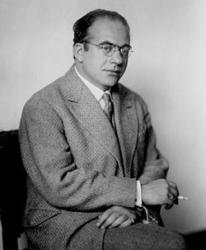
Odon Deylskiy
 France
- Life and Background
- The Crusade Chronicle
- Prologue: A letter to Abbot Suger
- Book 6: The circumstances of the Franks' defeat
- Detailed Descriptions
Life and Background
Odon of Deuil (died April 8, 1162) was a French chronicler who lived in the 12th century. Information about his life is limited. Born into a humble family, he became a monk at the Abbey of Saint-Denis in Seine-Denis and remained there until 1146. During the Second Crusade, Odon served as chaplain to King Louis VII of France's army.
The Crusade Chronicle
While in the East, Odon recorded the events of the Crusade and sent his chronicle to Abbot Suger of Saint-Denis, a confidant of the king and one of the regents who ruled in his absence. In 1152, three years after returning from the Crusade, Odon succeeded Suger as abbot of Saint-Denis.
Odon's work, "On the Journey of Louis VII, King of the Franks, to the East" (Latin: De profectione Ludovici VII in Orientem), is composed of seven books with a prologue:
Prologue: A letter to Abbot Suger
Book 1: Preparations for the CrusadeBook 2: Journey of the Crusaders through Hungary, Bulgaria, and the Byzantine Empire
Books 3 and 4: Louis' arrival in Constantinople, meeting with Emperor Manuel I Komnenos, and crossing the Bosporus
Book 5: The Crusaders in Asia Minor, meeting between Louis and Conrad III at Nicaea
Book 6: The circumstances of the Franks' defeat
Book 7: The Crusaders in Attalia and Louis' departure for AntiochUnique Perspective
Odon attributed the failure of the Second Crusade not to divine providence, as Otto of Freising did, but to more tangible causes. He placed blame on the Byzantine Empire and the policies of Emperor Manuel I Komnenos.
Detailed Descriptions
Besides documenting the events of the Crusade, Odon's chronicle is rich with descriptions. He provides insight into the customs and culture of the peoples the Crusaders encountered, the military tactics of the Seljuks, and the traditions of the Greeks. He also describes the cities Louis' army passed through, including a captivating account of 12th-century Constantinople:
"Constantinople, the glory of Greece, a city renowned for its wealth and even more opulent than its reputation, is built in the shape of a triangle, like a ship's sail. In the forefront are visible Saint Sophia and the Palace of Constantine, where the chapel famed for its holy relics is situated. When we arrived at this city, we had the Bosporus on our right and the Golden Horn flowing into it, which begins four miles away. On that side is the palace called the Blachernae; situated on a low position but built with great skill and expense, it is raised sufficiently high to afford its inmates a threefold delight owing to the proximity of the sea, the plains, and the city, all visible at once. Its external beauty is beyond compare, while its interior surpasses all that I could say. Everywhere there is gilding and a variety of colors; the court is excellently paved with marble, and it is difficult to decide whether it is the exquisite artistry or the costly materials that enhance the value and beauty of this palace."