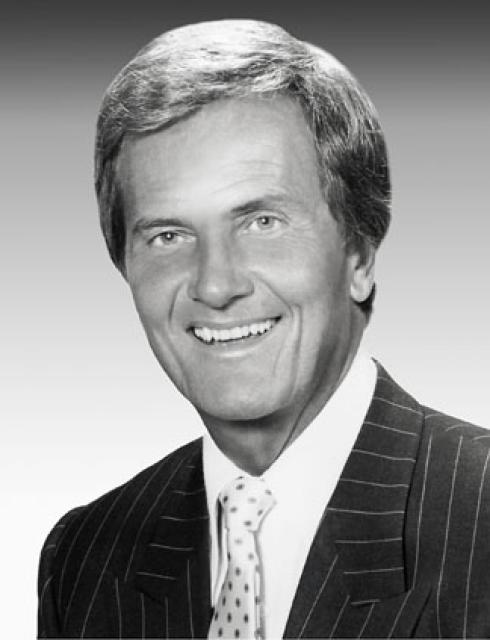
Pat Boone
 USA
USABiography of Pat Boone
Pat Boone is an American singer, actor, and writer who gained popularity in the 1950s and was able to compete with Elvis Presley for the attention of the public. He has sold over 45 million albums throughout his career and has appeared in 12 Hollywood films.
Early Life
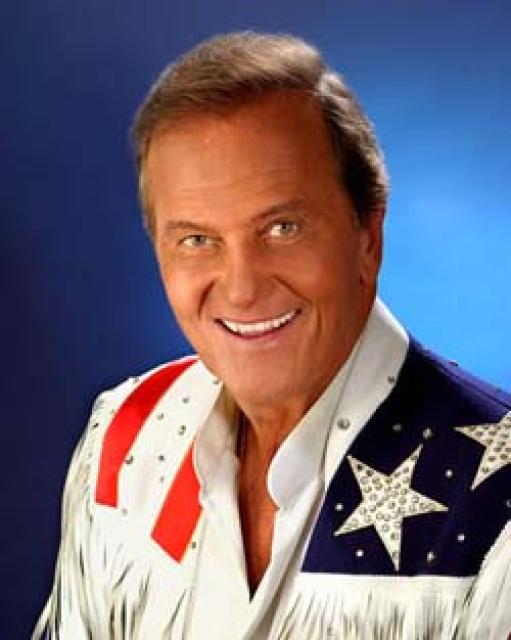
Charles Eugene Pat Boone was born on June 1, 1934, in Jacksonville, Florida. When he was two years old, his family moved from Florida to Nashville. Boone claims to be a direct descendant of Daniel Boone, an American pioneer and hunter whose adventures made him one of America's first folk heroes.
Education
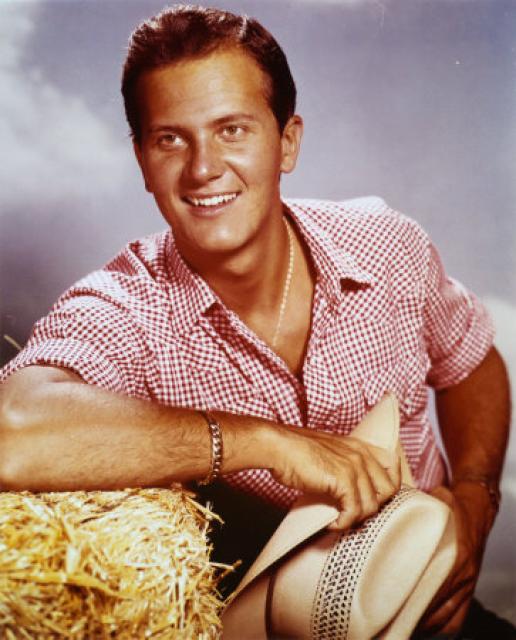
In 1952, he graduated from David Lipscomb High School and went on to attend Lipscomb College. In 1958, he graduated with honors from the general studies department of Columbia University. After that, he completed his education at North Texas State University.
Music Career
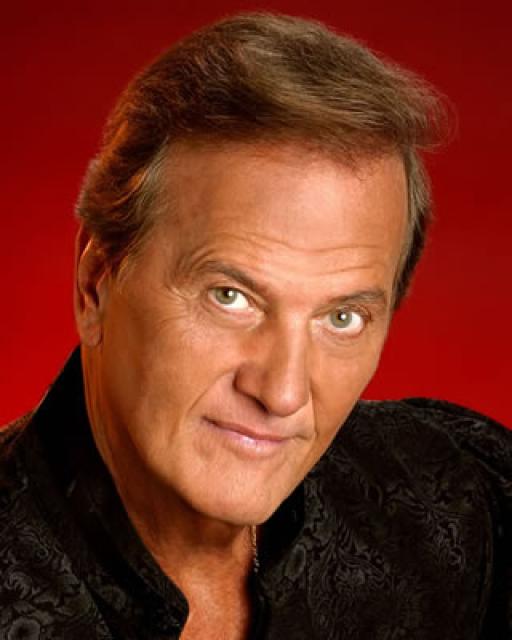
Pat Boone began his singing career in 1954 on the Republic Records label. His version of Fats Domino's song "Ain't That a Shame" became a hit. His early hits were recorded in an R&B style adapted for a "white" audience in the United States. His single "I Almost Lost My Mind" was released in 1957 and quickly rose to the top of the Billboard Hot 100 chart. This song was recorded by Boone with "black" stars Nat King Cole and Ivory Joe Hunter. In the same year, his second album, "Pat," was released, which was fully recorded in the R&B style.
Film Career
In the late 1950s, Boone lived in a modest house in Teaneck, New Jersey, despite earning a yearly income of $750,000. He also appeared on the ABC television show "Ozark Jubilee," which was hosted by his father-in-law. In 1953, Pat Boone married Shirley Lee Foley, the daughter of renowned country performer Red Foley and singer Judy Martin. Shirley gave him four daughters: Cheryl Lynn Boone, Linda Lee Boone, Deborah "Debby" Ann Boone, and Laura Boone.
In the late 1960s, Boone joined the Pentecostal movement, gave up music, and moved to Hollywood. He believed that roles in movies would bring him more fame than his songs, especially if he starred alongside sex symbol Marilyn Monroe. In his first film, "April Love," Pat Boone showed his principles by refusing to kiss actress Shirley Jones during filming because she had recently gotten married, and it was considered inappropriate. In response, Hustler Magazine published a scandalous photo of Boone in his youth in 1984, debunking the myth of the actor's decency. Boone appeared in a dozen more films, including "Bernardine," "Mardi Gras," "Journey to the Center of the Earth," and "All Hands on Deck." He starred in 13 films in ten years before returning to the music industry.
Later Career
During the British Invasion of the 1970s, Boone continued to write songs, but they no longer enjoyed great success among young audiences. Accepting defeat, Pat Boone shifted to another segment of the music market and began recording country melodies and gospel music. In the early 1970s, Boone toured the United States with his family, performing gospel-style songs. He founded his own record label, Lion & Lamb Records, which released albums and singles by Pat himself, his daughter Debby, and other artists, including DeGarmo & Key and Dogwood. In 1977, the best-selling single in the United States was his daughter Debby Boone's slow wedding ballad, "You Light Up My Life."
In 1997, Pat Boone released a heavy metal music compilation album titled "In a Metal Mood: No More Mr. Nice Guy," featuring cover versions of hits like "Smoke on the Water" and "Stairway to Heaven." To attract attention to the album and himself, Pat appeared at the American Music Awards in a black leather suit with marker-drawn tattoos on his hands, which angered conservative Christians in The Church on the Way, of which Pat is a member to this day.
In 2007, Pat Boone's name was inducted into the Christian Music Hall of Fame. Today, Boone and his wife live in Los Angeles and are still active members of The Church on the Way. For a time, he lived next door to Ozzy Osbourne, for whom Pat recorded the song "Crazy Train," which became the theme song for the popular show "The Osbournes."