Patrik
 Ireland
- St. Patrick: The Apostle of Ireland
- Conversion and Return to Ireland
- Mission to Ireland
- The Shamrock
- Legacy
- Celebration of St. Patrick's Day
- Theology and Symbolism
St. Patrick: The Apostle of Ireland
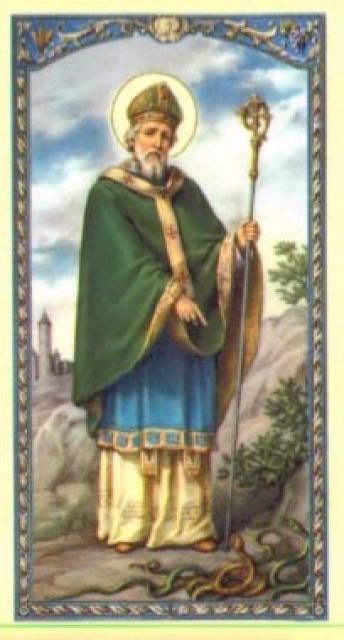
Birth and Early LifeSt. Patrick, the patron saint of Ireland, was born Maewyn Succat around 373 CE in Roman Britain. His father, Calpornius, was a Roman noble, and his mother was related to St. Martin of Tours. At the age of 16, Patrick was captured by Irish raiders and sold into slavery to a chieftain named Milchu.
Conversion and Return to Ireland
During his six years of captivity, Patrick became a devout Christian. After hearing a voice in a dream telling him to return home, he escaped and made his way back to Britain. However, he soon felt called back to Ireland to spread the Gospel.
Mission to Ireland
Around 431 CE, Patrick was consecrated as a bishop and sent to Ireland to replace St. Palladius as the first Bishop of Ireland. He faced opposition from pagan druids but established a number of churches and monasteries.
The Shamrock
According to legend, Patrick used the three leaves of the shamrock to explain the Holy Trinity to the Irish people. This story first appeared in the 18th century and is widely believed to be a fabrication. However, the shamrock became a symbol of Ireland and St. Patrick's Day.
Legacy
Patrick's mission had a profound impact on Ireland. He converted thousands of people to Christianity and played a key role in the development of the Irish Church. He is known as the "Apostle of Ireland" for his work in spreading the Gospel and establishing the Christian faith in the country.
Celebration of St. Patrick's Day
St. Patrick's Day is celebrated on March 17th, the traditional date of his death. It is a major holiday in Ireland and is also celebrated in many other countries, particularly those with large Irish populations. The day is marked by parades, festivals, and the wearing of green clothing and shamrocks.
Theology and Symbolism
Patrick's teachings emphasized the importance of faith, love, and forgiveness. He also stressed the significance of the number three, which is prevalent in both Celtic and Christian traditions. The shamrock, with its three leaves, became a powerful symbol of the Trinity and the unity of God.