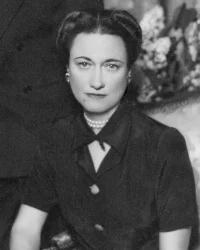
Patrizia Reggiani
Patrizia Reggiani became internationally known as the former wife of fashion heir Maurizio Gucci and the central figure in one of Italy’s most notorious murder cases. Once a familiar presence in Milan’s luxury world, she was convicted of arranging her ex-husband’s killing and spent many years in prison. Her life has since remained caught between public fascination, courtroom fact and the mythology of the Gucci name.
A life in the spotlight
Reggiani was born in Italy on December 2, 1948. She grew up outside the old aristocratic circles of Milan, but entered that world when she married Maurizio Gucci in 1972. The couple had two daughters, Alessandra and Allegra, and became a prominent social pair as Maurizio took on a growing role in the family fashion business.
Their marriage ended in separation in the mid-1980s, and the divorce was finalized in 1994. The split came amid tensions over money, family influence and Maurizio’s future outside the company. The private conflict became national news when he was shot outside his Milan office on March 27, 1995.
The murder trial
Investigators eventually connected the killing to a group of hired attackers and their intermediaries. Reggiani was arrested in 1997 and accused of organizing the murder. In November 1998, a Milan court convicted her of ordering the killing and sentenced her to 29 years in prison. The conviction was upheld on appeal, while her sentence was reduced to 26 years in 2000.
The prosecution’s case and the trial’s revelations attracted intense media attention. Reggiani denied that she had freely chosen to be involved, while the court found her responsible for arranging the crime. The case was also notable for the involvement of other defendants, including a friend and intermediaries who helped bring the killers into the plan.
Prison and release
Reggiani served about 18 years in prison. She was granted work release in 2013 and completed her sentence in 2016. Her comments to reporters after leaving prison, along with her distinctive style and guarded public manner, kept the press interested in her life beyond the courtroom.
The murder case has been retold in books, documentaries and the 2021 film House of Gucci. Such portrayals brought the story to new audiences but also dramatized events and personal relationships. Reggiani’s real life cannot be reduced to a screen character: it includes a criminal conviction, a long prison sentence and the lasting consequences for her family.
Legacy and public image
The Gucci murder remains part of the wider story of a fashion dynasty whose family members fought over control and identity as the brand expanded beyond its founders. Reggiani has been described in sensational terms by the press, but those labels often flatten a complicated case into a celebrity spectacle.
Her public image continues to provoke curiosity because it combines glamour, wealth and a grave act of violence. The legal record establishes her conviction; beyond that, accounts of her motives and private life have often been shaped by media retellings. Her story is a reminder of how a criminal case can become inseparable from celebrity culture and the narratives built around luxury and power.