Paul Butterfild
 USA
USABiography of Paul Butterfield
Early Life and Musical Beginnings
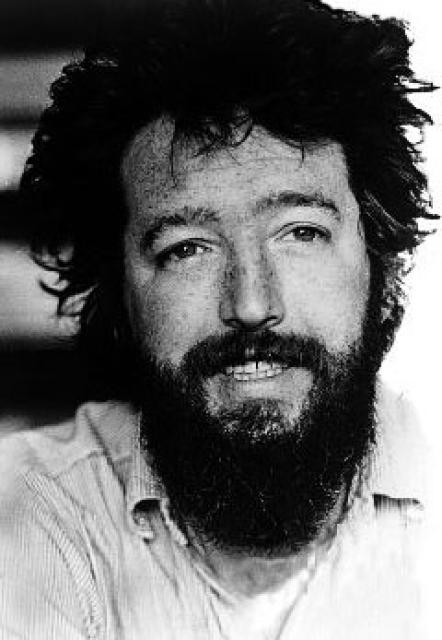
Paul Butterfield was an American blues musician known for his virtuoso harmonica playing and his influential role in the formation of blues rock. He was born in Chicago and discovered the blues at a young age. Along with another white teenager from Chicago, Mike Bloomfield, he would sneak into blues clubs (where they were not allowed to be without adult supervision) and listen to the legends of the Chicago blues scene. Unlike other pioneers of the British blues wave like John Mayall, Butterfield was able to not only learn the blues from records, but also take lessons from blues masters.
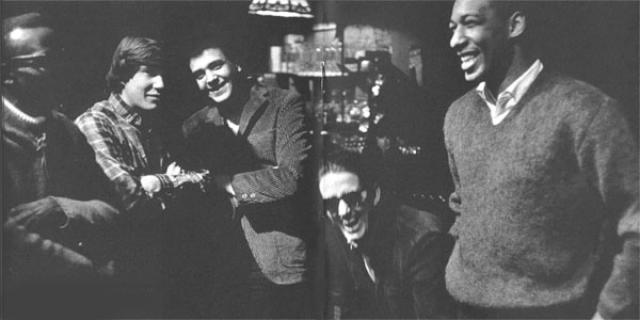
By the age of 16, Butterfield had become so skilled at harmonica that he was able to jam with young virtuosos of the new West End blues movement, such as Magic Sam and Otis Rush. He attended the University of Chicago, where he met Elvin Bishop, and together they formed the group Paul Butterfield's Blues Band in 1963. The band was an extraordinary phenomenon for its time in many ways. They performed blues in rock arrangements and were possibly the first racially integrated blues band, with young white students from non-musical universities playing alongside veteran Chicago blues musicians.
Success and Musical Style
In 1964, the band caused a scandal and controversy with their rock-infused performance at the Newport Folk Festival. The following year, they accompanied Bob Dylan's first "electric" performance at the same festival, which also caused polarizing reactions. They signed a contract with the leading rock music company "Elektra" and released their debut album in 1965, featuring blues rock interpretations of well-known blues standards by Muddy Waters, Willie Dixon, Elmore James, and Little Walter.
Their first album was a sensation and is now considered the first work in the genre of white blues rock. Their next album included extended guitar improvisations by Bloomfield and Bishop and leaned more towards jazz-rock, as well as experimenting with traditional Indian music. The band's rhythm section frequently changed members. Bloomfield left the band after their second album to form his own group, Electric Flag, which also aimed to blend blues with rock.
Later Career and Legacy
In 1969, Paul Butterfield's Blues Band participated in the Woodstock Festival. In the same year, Butterfield contributed to Muddy Waters' album "Fathers & Sons," which paid tribute to their blues mentors. Butterfield's radio concert with harmonica master Walter Horton was released on CD as "An Offer You Can't Refuse." By the time Butterfield disbanded the group in 1972, none of the original members remained.
Butterfield went on to create a new project called "Paul Butterfield's Better Days," which featured a soulful sound where his vocal talents could shine. His harmonica playing took a backseat on these albums. However, his later albums in the late 1970s and early 1980s were not successful commercially or artistically.
Butterfield faced serious health problems, worsened by his addiction to drugs and alcohol inherited from the "summer of love" era. Despite these challenges, he occasionally showcased his full talent, as seen in his performance in the 1987 concert video "BBKing & Friends." In May of that year, Butterfield's life was tragically cut short by a heart attack caused by drug use.
Throughout his career, Paul Butterfield released several albums that showcased his talent and contributed to the evolution of blues and rock music. His influence on the genre is still felt today.