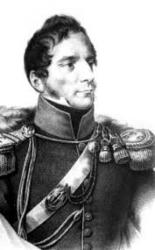
Paul Nikolaus Cossmann
 Germany
- Early Life and Music Interests
- Education and Journalistic Career
- The "Stab-in-the-Back" Myth
- Suppression and Imprisonment
Early Life and Music Interests
Bernhard Kossmann, a German publicist and editor, was born in Moscow during his father's tenure as composer at the Moscow Conservatory. Growing up in a musical environment, Kossmann developed a profound interest in music and befriended the renowned composer Hans Pfitzner. He later published the first biographical sketch of Pfitzner.
Education and Journalistic Career
Kossmann studied in Berlin and settled in Munich in 1893. In 1903, he founded the influential journal "Süddeutschen Monatshefte," which he led until 1933. Kossmann's writings reflected his conservative political views, and he became an outspoken critic of the Weimar Republic and the Versailles Treaty.
The "Stab-in-the-Back" Myth
In 1918, Kossmann published a condensed translation of Maxim Gorky's "Untimely Thoughts" under the title "Ein Jahr russische Revolution." In 1925, he became involved in a sensational court case when Martin Gruber, a publicist from the Social Democratic camp, accused him of promoting the "Stab-in-the-Back" legend, which attributed Germany's defeat in World War I to treachery by leftist forces at home. Kossmann successfully sued Gruber, cementing the notion in public opinion that the "stab-in-the-back" theory had been judicially validated.
Suppression and Imprisonment
Despite his conservative ideology, Kossmann faced persecution due to his Jewish heritage after the Nazis seized power. He was banned from journalism in 1933 and arrested in 1938, ultimately perishing in a concentration camp.