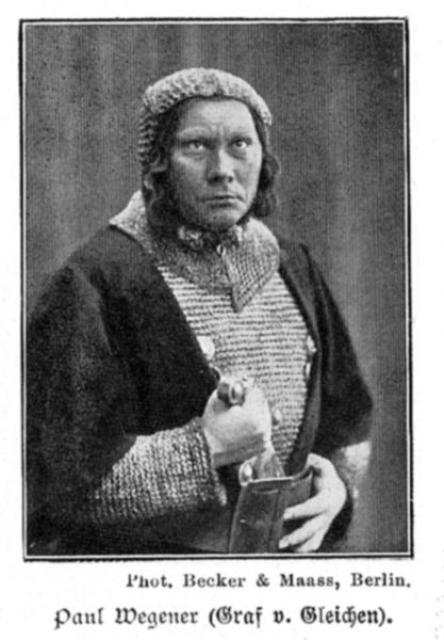
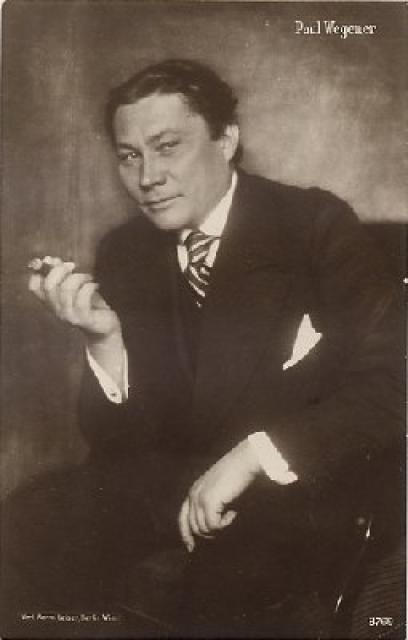
Paul Wegener
 Germany
Biography of Paul Wegener
Early LifePaul Wegener was a German actor and director, and one of the pioneers of German expressionist cinema. He was born on December 11, 1874, in Arnoldsdorf, East Prussia, Germany, to Otto Wegener, a textile manufacturer, and his wife Anna. Wegener attended a Catholic school in Rossel from 1883 to 1886 and later studied at a gymnasium in Konigsberg from 1886 to 1893. During his time in Konigsberg, he formed a dramatic circle with his friends.
Education and Acting Career
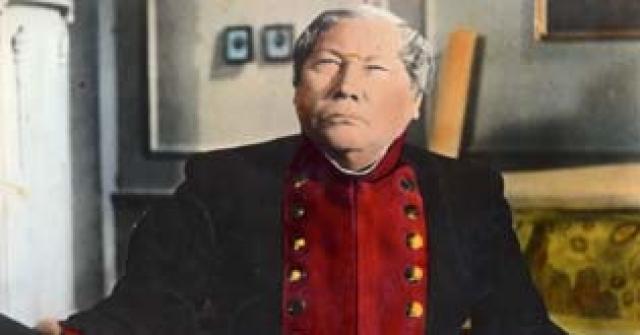
In 1894-1895, Wegener studied law in Freiburg and Leipzig at the request of his father, but he primarily attended lectures on art history and philosophy. When he decided to quit his studies and pursue acting full-time, his father cut off his financial support. From 1896, Wegener worked as an actor in the provinces, and in 1905, he joined the German Theater Max Reinhardt in Berlin.
Film Career
Wegener began his film career in 1913 and gained widespread fame for his role in the film "The Student of Prague" (1913), which he also co-directed. He further solidified his reputation with his portrayal of the animated clay figure in the film "The Golem" (1915). Wegener returned to this iconic role twice more in the films "The Golem and the Dancer" (1917) and "The Golem: How He Came into the World" (1920), with the latter becoming one of the most significant films of German expressionist cinema.
Notable Works
Throughout his career, Wegener often played majestic characters or villains, appearing in films such as "Sumurun" (1920), "The Wife of the Pharaoh" (1922), "Lucrezia Borgia" (1922), "Living Buddhas" (1925), "Svengali" (1927), "Alraune" (1928), "Ramper: The Animal Man" (1927), among others. He continued to work in sound films but was unable to create roles comparable in significance to his earlier works.
Later Years and Legacy
Although Wegener appeared in propaganda films during the Nazi era, he received permission to continue working from the Soviet occupation authorities and served as a cultural advisor to the military governor of Berlin. He performed the lead role in the play "Nathan the Wise," based on Lessing's play, which premiered on September 7, 1945, at the German Theater in Berlin. Wegener played this role over 60 times until he collapsed on stage. Paul Wegener passed away on September 13, 1948, in Berlin.


