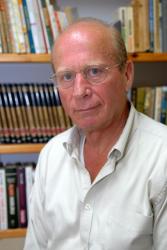
Pavel Bazilevskiy
 Great Britain
- Lieutenant Colonel of the Army of the Ukrainian National Republic
- Military Education and Career in the Russian Army
- Involvement in the Ukrainian Movement
- Service in the Army of the Ukrainian National Republic
- Efremov held various commands in the UNR, including:
- - Commander of the 11th Company (December 19, 1918)
- Resuming Military Service and Leadership Roles
- - Commander of the 1st Recruit Regiment (January 26, 1920)
- - Commandant of Mohyliv-Podilskyi (November 17, 1920)
- World War II and Aftermath
- Emigration and Leadership in the Ukrainian Exiled Community
Lieutenant Colonel of the Army of the Ukrainian National Republic
Childhood and Early LifeLieutenant Colonel Serhiy Yefremov was born on September 9, 1896, in Zatishye, Tiraspol district, Kherson province. He descended from a noble family in the Poltava province.
Military Education and Career in the Russian Army
Efremov graduated from the Lubny Higher Educational Institution and on January 1, 1916, from the Chuguev Infantry Junker School as a second lieutenant in the 216th Infantry Reserve Battalion. On July 5, 1916, he joined the forces of the Southwestern Front and rose to the rank of staff captain.
Involvement in the Ukrainian Movement
During his service in the Russian Army, Efremov actively participated in the Ukrainian movement within the troops. He was a delegate to the First All-Ukrainian Military Congress in Kyiv in May 1917.
Service in the Army of the Ukrainian National Republic
In late 1917, Efremov became a senior officer in the 1st Ukrainian Cossack Regiment named after Bohdan Khmelnytsky. From March 17, 1918, he commanded a cavalry company in the 1st Zaporozhye Regiment of the Separate Zaporozhye Division of the Army of the Ukrainian National Republic (UNR).
Efremov held various commands in the UNR, including:
- Commander of the 1st Company, 4th Zaporozhye Regiment (May 1, 1918)- Commander of the 3rd Company and acting commander of the regiment (September 12, 1918)
- Commander of the 11th Company (December 19, 1918)
- Commander of the 3rd Regiment (January 1, 1919)Combat Experience and Injuries
Efremov was injured in a battle against the Bolsheviks on March 16, 1919, and evacuated to a hospital for rehabilitation.
Resuming Military Service and Leadership Roles
He resumed active duty in various command positions within the UNR, including:
- Commander of the 1st Recruit Regiment (January 26, 1920)
- Commander of the 10th Regiment, 4th Rifle Brigade (March 31, 1920)- Assistant commander of the 11th Regiment (April 28, 1920)
- Commander of the 20th Regiment, 7th Brigade, 3rd Railway Division (July 25, 1920)
- Commandant of Mohyliv-Podilskyi (November 17, 1920)
Exile and Continued ServiceAfter the internment of the UNR in Poland, Efremov was held in the Kalisz camp and became the head of the camp's non-commissioned officer school. In 1923, he emigrated to Tarnow.
World War II and Aftermath
During the German-Polish War and the advance of Soviet troops, Efremov was captured by the Poles and sent to Siberia. In 1942, he joined General Władysław Anders' Polish Army, which was formed in the USSR. With this army, he fought against German forces in Iran and Palestine.
Emigration and Leadership in the Ukrainian Exiled Community
After World War II, Efremov emigrated to the United Kingdom. From 1950 to 1970, he led the Union of Ukrainian Emigrants. In 1964, he was elected head of the Society of Ukrainian Combatants in the United Kingdom.