Pedro Zamora
 USA
USA- Biography of Pedro Zamora
- Becoming an Advocate
- The Real World and Romantic Relationship
- Legacy and Death
Biography of Pedro Zamora
Early Life and EducationPedro Pablo Zamora y Díaz was born on February 29, 1972, on the outskirts of Havana, Cuba. He was the eighth and youngest child in his family. Zamora's father, Hector Zamora, fought under the banners of Fidel Castro during the Cuban Revolution but became disillusioned with the new political course. The family lived in a small house with an earthen floor, and Zamora's mother, Zoraida Diaz, had to trade on the black market to provide meager food for their children. Zamora was considered almost bewitched in the local community because he was born on a leap day in a leap year, and he was born feet first.
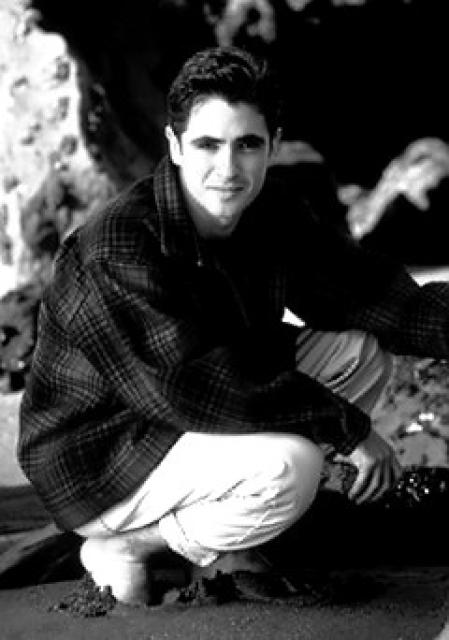
In 1980, Zamora's parents moved to the United States in search of a better life, settling in the suburbs of Miami, Florida. Government officials did not allow Zamora's four older siblings and sister to leave Cuba as they were too close to the draft age. The older siblings insisted that their parents take the younger children out of Cuba. When Zamora was 13 years old, his mother died of skin cancer. His grief found an outlet in two things: excellent academic performance and promiscuous sexual relationships. Despite being a brilliant student and the president of the school's science club, he knew nothing about safe sex. Zamora believed that only prostitutes and drug addicts could contract HIV/AIDS.

Becoming an Advocate
During his penultimate year of schooling, Zamora became a blood donor and received a notification after a month and a half that his blood was not suitable, although no specific diagnosis was given. A few weeks later, Zamora decided to get tested and on November 9, 1989, he learned that he was HIV-positive. Despite the shock, Zamora resolved to finish school before he died, redoubled his efforts, and graduated in 1990, a year ahead of schedule. Five months later, he contracted shingles, and although he managed to overcome the illness with medication, it inspired Zamora to join the educational program of the Center for HIV and AIDS. Soon after, he began speaking to residents of his community, many of whom were as ignorant about safe sex as he once was.

Although his academic achievements allowed him to attend prestigious colleges, Zamora decided to dedicate the rest of his life to educational projects, spreading awareness about HIV/AIDS prevention. Zamora, known for his ability to communicate complex information in an easily understandable manner, lectured in schools, churches, specially organized meetings, and traveled across the country, gaining a reputation as a talented specialist and public figure by the age of 20.
The Real World and Romantic Relationship
In 1993, Zamora met his colleague Sean Sasser at the march for gays and lesbians in Washington D.C. The two became friends, and later that year, Zamora heard about a casting for the third season of the reality show "The Real World: San Francisco." He applied, knowing that television would allow him to bring much more attention to the issues that mattered to him. The show indeed had a significant impact, but a few months on the show took a toll on Zamora's health. When doctors informed him that he had about 3-4 months to live, he returned to Miami to spend time with his family.
Legacy and Death
Zamora passed away on November 11, 1994, the day after the final episode of the reality show aired. Several organizations bearing his name were created in honor of Zamora's contributions to society. His open discussions about his HIV-positive status and the challenges faced by those living with HIV/AIDS and the LGBTQ+ community helped raise international awareness and combat ignorance and prejudice.
Overall, Pedro Zamora's short life did not prevent him from becoming a television personality and a leading expert in HIV/AIDS prevention. His activism and public speaking engagements brought attention to the issues faced by HIV-infected individuals, those suffering from AIDS, and people with non-traditional sexual orientations. He left a lasting impact through his advocacy and educational efforts.