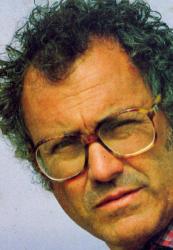
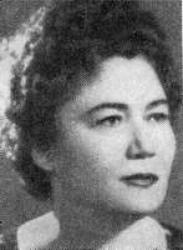
Petr Gorskiy
 Russia
- Aleksandr Gor'kii: A Literary Figure of Poverty and Controversy
- Military Service and Crimean War
- Early Literary Career
- Physiological Sketches and Literary Fame
- Financial Hardships and Mental Illness
- Political Intrigues and Exile
- Literary Contributions
- Critical Reception
- Connection with Dostoevsky
Aleksandr Gor'kii: A Literary Figure of Poverty and Controversy
Early Life and EducationAleksandr Gor'kii was born into a military family in the Russian Empire. He attended the Polotsk Cadet Corps from 1839 to 1844, and the Noble Regiment thereafter.
Military Service and Crimean War
In 1846, Gor'kii served in the Kolyvan Jaeger Regiment and the Alexander Orphan Cadet Corps. He participated in the Crimean War from 1853 to 1856.
Early Literary Career
After retiring from the military in 1859, Gor'kii settled in Saint Petersburg. He published an excerpt from his comedy "Polufrantsuzy" ("Half-French") in the journal "Gudok" and poems in "Orel."
Physiological Sketches and Literary Fame
Gor'kii gained prominence with his physiological sketches, which depicted the harsh realities of lower-class life in the capital. These sketches were published in various magazines in the 1860s and collected in a separate volume.
Financial Hardships and Mental Illness
Despite his literary success, Gor'kii's income was irregular and insufficient. To supplement his earnings, he took on various menial jobs and appealed repeatedly to the Literary Fund for assistance. His poverty and alcoholism exacerbated a mental illness, leading to his hospitalization in 1864.
Political Intrigues and Exile
Gor'kii's mental instability manifested in letters to high-ranking officials, in which he implicated liberal journals in the assassination attempt on Tsar Alexander II. In a desperate attempt to address his financial struggles, he admitted to contemplating revolution. He was arrested in 1866 and exiled to Siberia.
Literary Contributions
Despite his personal challenges, Gor'kii made significant contributions to Russian literature. He published a novel in verse, "Millioner" ("The Millionaire"), and a collection of satirical sketches and stories. His physiological sketches, with their gritty realism and empathy for the downtrodden, stood out in the literary landscape of his time.
Critical Reception
Gor'kii's work faced criticism from contemporaries for its unpolished language, excessive naturalism, and lack of ideological clarity. However, his sincerity, sharp observation, and compassion for the marginalized resonated with readers.
Connection with Dostoevsky
Gor'kii and Fyodor Dostoevsky collaborated on the journals "Vremya" ("Time") and "Epokha" ("Epoch"). While Dostoevsky had reservations about Gor'kii's artistic abilities, he recognized the value of his factual observations. Rumor has it that Gor'kii served as the inspiration for the character Lebedev in Dostoevsky's novel "Demons."