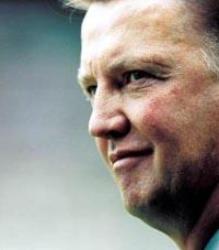
Pim Verbeek
 Australia
- Early Life and Playing Career
- Assistant Coaching Roles
- Head Coach of South Korea (2006-2007)
- Appointment as Australia's Head Coach (2007)
- Verbeek's Vision for Australian Football
- World Cup 2010 and Beyond
- Conclusion
Early Life and Playing Career
Peter Verbeek, a renowned Dutch football manager, was born in the Netherlands. During his brief playing career, he primarily featured for Sparta Rotterdam.
Assistant Coaching Roles
Verbeek embarked on his coaching journey as an assistant manager for the South Korean national team under Gus Hiddink during the FIFA World Cup. Four years later, he worked as an assistant under another esteemed Dutch coach, Dick Advocaat.
Head Coach of South Korea (2006-2007)
In 2006, Verbeek signed a two-year contract as the head coach of the Korean Football Association. He led South Korea to a third-place finish in the 2007 Asian Cup, securing their qualification for the 2011 edition. However, shortly after the tournament, he stepped down, citing the need for a five-month break.
Appointment as Australia's Head Coach (2007)
Verbeek expressed his interest in finding a new coaching role in Asia. On December 6, 2007, he was announced as the manager of the Australian national team. In his first World Cup qualifying match, Australia defeated Qatar 3-0 at home. Famously, when questioned about his knowledge of the Australian national anthem, Verbeek pledged to sing it if his team qualified for the 2010 World Cup.
Verbeek's Vision for Australian Football
Verbeek was outspoken about the state of Australian football. He criticized the A-League, its players, and the system overall. When asked what improvements could be made, he retorted, "Do you have an hour?" His candor often bordered on bluntness, but he emphasized that he aimed to speak the truth.
World Cup 2010 and Beyond
Verbeek's tenure with Australia extended into the 2010 World Cup, marking his third World Cup appearance as a coach. Despite positive results, he faced accusations of promoting "boring" football. Verbeek defended his approach, stating that he prioritized effectiveness over entertainment.
Conclusion
Verbeek is highly regarded for his tactical acumen and his unwavering pursuit of success. He remains an influential figure in the football world, known for his outspoken nature and his commitment to improvement.