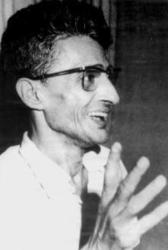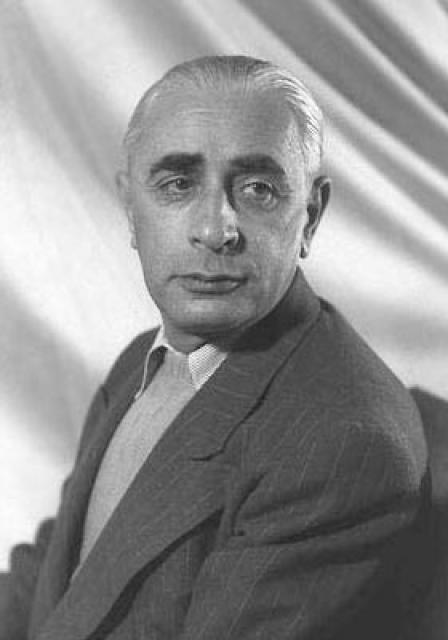
Pinhas Lavon
 Israel
- Biography of Pinhas Lavon
- Leadership in Gordonia and Consolidation of Kibbutz Movement
- Role in Histadrut and Government
- The Lavon Affair
- Later Years and Legacy
Biography of Pinhas Lavon
Pinhas Lavon was an Israeli statesman and leader of the Jewish labor movement. He graduated from the law faculty of Lviv University and joined the Hashomer Hatzair movement as a teenager. In 1923, he became the leader of the Gordonia movement, which he co-founded. Lavon moved to Eretz Israel in 1929 and played a key role in rebuilding the kibbutz Hulda after it was destroyed during Arab riots in 1931.
Leadership in Gordonia and Consolidation of Kibbutz Movement
Lavon developed the ideology and educational and political programs of the Gordonia movement. He also played a leading role in transforming the Hever Hakvutzot movement into a well-established union, which he became the recognized representative of after its merger with Gordonia in 1933. Lavon aimed to unify the entire kibbutz movement and served as the secretary of the Mapai party from 1938 to 1939.
Role in Histadrut and Government
In 1942, Lavon was elected to the executive committee of Histadrut, the General Federation of Labor in Israel, and served as its general secretary from 1949 to 1951. With his support, the Teachers Union of Israel and religious workers' organizations were accepted into Histadrut. He also initiated housing projects for workers within Histadrut.
Lavon was a member of the Knesset from 1949 to 1961. He served as the Minister of Agriculture in the Ben-Gurion government from 1950 to 1951 and as a Minister without Portfolio from 1952 to 1953. In January 1954, he was appointed as the Minister of Defense in the government of Moshe Sharett.
The Lavon Affair
In July 1954, the Israeli military intelligence carried out a sabotage operation called the "Lavon Affair" in Egypt, during which 13 agents were captured. This operation ended in failure and sparked a major political scandal in Israel. Lavon and the head of military intelligence, Benjamin Gibli, blamed each other for the failure of the operation. Gibli claimed he acted on Lavon's orders, while Lavon denied giving any orders and accused Gibli of acting on his own.
As a result of the scandal, Gibli was dismissed in March 1955 and later appointed as a military attache in London. Lavon was forced to resign in February 1955. The controversy surrounding the Lavon Affair persisted for many years, leading to the resignation of Prime Minister David Ben-Gurion in January 1961.
Later Years and Legacy
After his resignation, Lavon returned to his position as the general secretary of Histadrut in 1956. In September 1960, the Lavon Affair once again attracted public attention. Lavon demanded exoneration from responsibility for the failed Israeli intelligence operation in Egypt. A commission reviewed the relevant documents and found Lavon not guilty. However, Ben-Gurion refused to accept the commission's decision and resigned in protest.
Due to significant disagreements, the Mapai Central Committee decided to remove Lavon from his position as the general secretary of Histadrut. In 1964, Ben-Gurion demanded a judicial review of the Lavon Affair, considering it a matter of utmost importance. However, in January 1965, the leadership of Mapai rejected this demand. As a result, Ben-Gurion resigned permanently. Lavon's career was marked by his involvement in the labor movement, government service, and the controversial Lavon Affair, which had a lasting impact on Israeli politics.