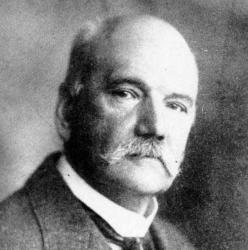
Pol Berg
 USA
USABiography of Paul Berg
American biochemist Paul Berg, the winner of the 1980 Nobel Prize in Chemistry, shared the honor with Walter Gilbert and Frederick Sanger for their groundbreaking research on nucleic acids. He was recognized for his contributions to fundamental studies involving nucleic acids. Berg was also awarded the National Medal of Science in 1983 and the "Medal of Medicine" from the National Library in 1986.
Early Life and Education
Paul Berg was born on June 30, 1926, to Sarah Brodsky and Harry Berg. He developed a passion for biology after reading several inspiring books, including "Microbe Hunters" by Paul de Kruif. He graduated from Abraham Lincoln High School in 1936 and obtained a Bachelor's degree in Biochemistry from Penn State University in 1948. He went on to earn his Ph.D. in Biochemistry from Case Western Reserve University in 1952.
Career and Contributions
After completing his postdoctoral studies, Berg worked as a scientific staff member at the American Cancer Society from 1952 to 1954. He also conducted research at the Institute of Cytophysiology in Copenhagen, Denmark, and the WUSM Biomedical Research Institute in St. Louis, Missouri. In 1954, Berg joined the faculty of the Microbiology Department at WUSM, where he collaborated with Arthur Kornberg on cancer research. He served as a professor at the institution until 1959 when he moved to Stanford University, where he taught Biochemistry until 2000. From 1985 to 2000, Berg served as the Director of the Beckman Center for Molecular and Genetic Medicine.
During his career, Berg focused on studying the intermediate metabolism and the transformation of food products into porous materials using radioisotopic tracers. His doctoral dissertation explored the conversion of formic acid, formaldehyde, and methanol into a fully restored methyl group of methionine. He was also one of the first researchers to demonstrate the involvement of folic acid and vitamin B12 in the animal synthesis of the amino acid methionine.
One of Berg's most notable achievements came in 1972 when he and his colleagues synthesized the first recombinant DNA (rDNA). From 1980 to 2000, he further investigated the mechanism of recombinant DNA repair. In 1985, Berg helped establish the interdisciplinary Center for Molecular and Genetic Medicine at Stanford University. He collaborated with the researchers at the DNAX Biotechnology Research Institute to develop rDNA-based immunoglobulins and later shifted his focus to interleukins, employing his cloning systems.
Berg organized the Asilomar Conference on Recombinant DNA in 1975, publishing the conference's results later that year. This conference played a crucial role in assessing the potential hazards and level of control over recombinant DNA research and establishing the principles of biotechnological studies.
One of his most significant publications, reflecting on the origins and emergence of recombinant DNA technology, was released in 2010.