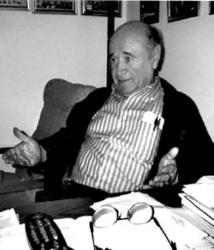
Ray Dolby
 USA
USA- Ray Dolby: A Pioneer in Sound Technology
- Stanford Education and Ampex Innovation
- Doctoral Studies and International Service
- Establishment of Dolby Laboratories
- Commercial Success and Consumer Products
- Latest Innovations and Legacy
Ray Dolby: A Pioneer in Sound Technology
Born in 1933 in Portland, Oregon, Ray Dolby spent his youth in San Francisco. After World War II, he worked part-time at Ampex Corporation, the first manufacturer of audio tape recorders.
Stanford Education and Ampex Innovation
In 1953, Dolby began studying at Stanford University while continuing at Ampex. He experimented with magnetic tape and developed new technologies for recording and playback. His work was sponsored by Alexander Poniatoff and Charlie Ginsburg.
Doctoral Studies and International Service
In 1957, Dolby earned an electrical engineering degree from Stanford. He later received a PhD in physics from Cambridge University. After his Cambridge studies, Dolby worked as a technical director in India for the United Nations.
Establishment of Dolby Laboratories
In 1965, Dolby returned to England and founded the Dolby Laboratories research center. He made a significant breakthrough for the audio industry by patenting the Dolby Sound System. The laboratory later moved to San Francisco.
Commercial Success and Consumer Products
Dolby began selling audio equipment to record companies and developed consumer products. He focused on improving the quality of home video playback, including noise reduction systems. He later invented a technology for more realistic sound reproduction, enhancing dialogue clarity and creating a more immersive audio experience. The first film to use this technology was "A Clockwork Orange."
Latest Innovations and Legacy
In 2007, Dolby Laboratories introduced a system for delivering surround sound for television. Throughout its history, the company has achieved remarkable success. Ray Dolby's net worth is estimated at $2.7 billion, cementing his place as a pioneer in the field of sound technology.