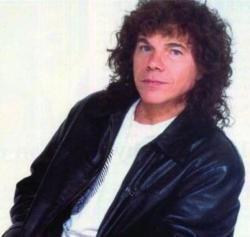
Riccardo Zandonai
 Italy
Italy- Biography of Riccardo Zandonai
- Early Works and Recognition
- World War I and Later Career
- Relationship with Puccini and Later Years
Biography of Riccardo Zandonai
Early Life and EducationRiccardo Zandonai was an Italian composer born on May 28, 1883, in Borgo Sacco, near Rovereto, which was then part of Austria-Hungary. He demonstrated his musical abilities at a young age and in 1899, he entered the Liceo musicale Rossini in Pesaro, which later became known as the Conservatorio Statale di Musica "G. Rossini" di Pesaro. Zandonai completed his studies at the conservatory in 1902, finishing a nine-year course in just three years. One of his teachers was the renowned composer Pietro Mascagni, who held him in high regard. During this period, Zandonai composed "Inno degli studenti trentini," which became the anthem of the youth of his native province.
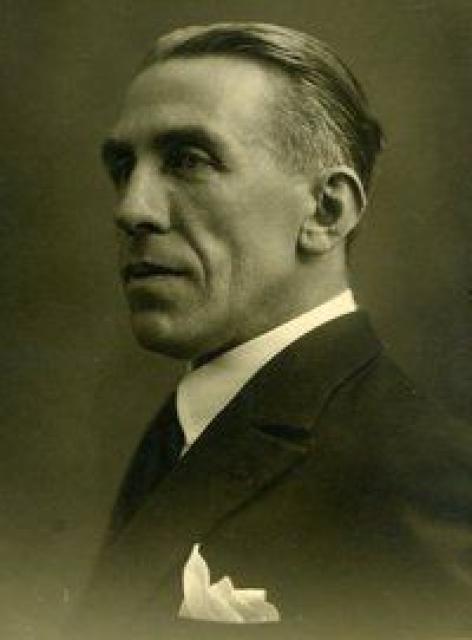
Early Works and Recognition
Zandonai's final examination piece at the conservatory was the opera "Il ritorno di Odisseo," based on a poem by Giovanni Pascoli, for singers, chorus, and orchestra. In the same year, he set another poem by Pascoli, "Il sogno di Rosetta," to music. In 1908, during a prestigious event in Milan, Zandonai met composer Arrigo Boito, who introduced him to Giulio Ricordi, a influential music publisher and musician. Zandonai's reputation owes much to his opera "Francesca da Rimini," a free adaptation of Gabriele d'Annunzio's tragedy, which he wrote using excerpts from Dante's "Divine Comedy." The premiere of "Francesca da Rimini" took place in Turin in 1914 and remains a staple in the repertoire of major opera houses worldwide.
World War I and Later Career
Soon after the outbreak of World War I, in 1916, Zandonai composed the patriotic song "Alla Patria" dedicated to Italy. As a result, his home and property in Borgo Sacco were confiscated. He regained possession of them after the war when the lands became part of Italy. In 1917, the composer married soprano Tarquinia Tarquini, for whom he wrote the role of Conchita in the opera "Conchita." Interestingly, Giacomo Puccini initially contemplated creating an opera on the same subject but later changed his mind.
Relationship with Puccini and Later Years
When Puccini passed away, leaving the final act of his opera "Turandot" unfinished, Zandonai was among the composers considered by Giulio Ricordi as potential successors to complete the work. It is believed that Puccini himself had also thought of Zandonai as a possible candidate, a sentiment supported by the legendary conductor Arturo Toscanini. However, Puccini's son, Tonio Puccini, vetoed Zandonai's candidacy for unknown reasons. Ultimately, Franco Alfano was chosen to complete "Turandot."
In 1935, Zandonai became the head of his alma mater, the conservatory in Pesaro. There, he worked on reviving several works by Rossini, including "Il viaggio a Reims" and the overture for the opera "Maometto Secondo." In 1941, he revised the orchestration and condensed the opera "La gazza ladra" into three acts.
Zandonai passed away three years later, on June 5, 1944, in Pesaro, following gallstone removal surgery. The last words he heard were from a priest, announcing the liberation of Rome.