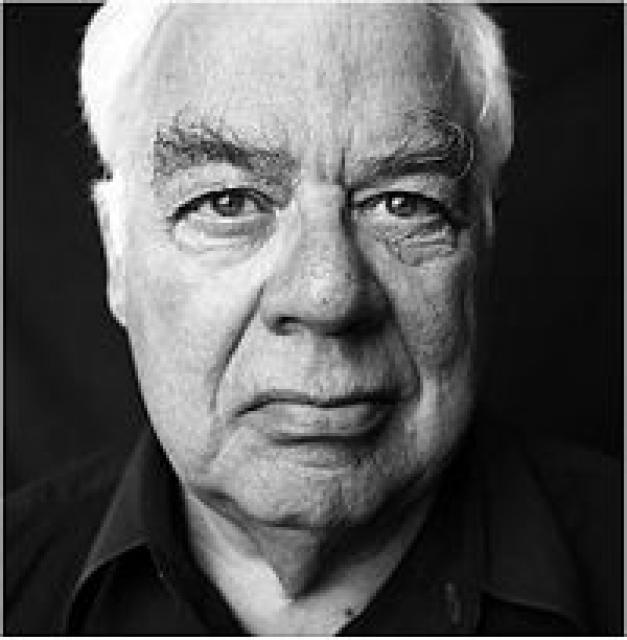
Richard McKay Rorty
 USA
USA- Biography of Richard Rorty
- Exploring European and American Philosophical Schools
- Shift in Identity and Views on Philosophy
Biography of Richard Rorty
Richard McKay Rorty was born on October 4, 1931. He is one of the most prominent figures in American philosophy in the 20th century. By examining contemporary thought in a wide range, he contributed to a radical reevaluation of views on philosophy itself. In the anthology "The Linguistic Turn" (1967) and its introduction, he attempted to understand the significance of positivist-linguistic innovations for the reorientation of modern thought.
Exploring European and American Philosophical Schools
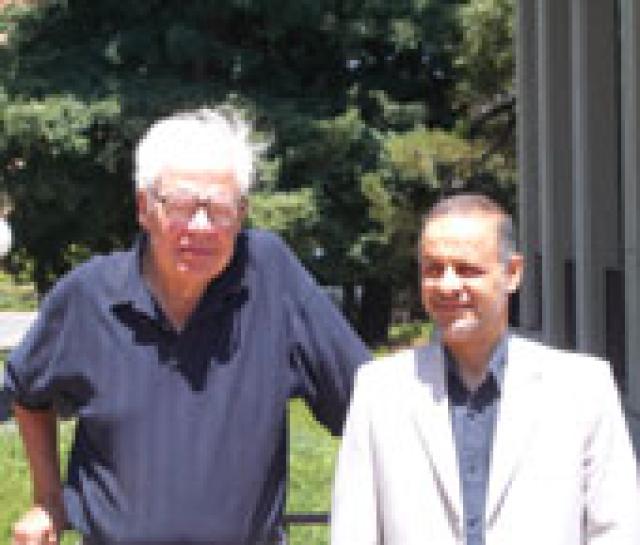
To do this, Rorty traveled to Europe, becoming fascinated by the ideas of M. Heidegger, M. Foucault, J. Derrida, G. Gadamer, and participating in discussions among postmodernists, deconstructionists, and hermeneutics. He then immersed himself in the study of American philosophical thought. The culmination of his reflections was the book "Philosophy and the Mirror of Nature" (1997), in which he attempted to build bridges between European and American philosophical schools and criticized the dominant academic tradition, especially the analytical tradition, prevailing in the English-speaking world. He wrote, "To see maintaining conversation as the self-sufficient goal of philosophy and to find the meaning of wisdom in its ability to sustain it is to see human beings as generators of new descriptions, rather than people from whom one should expect accurate descriptions."
Shift in Identity and Views on Philosophy
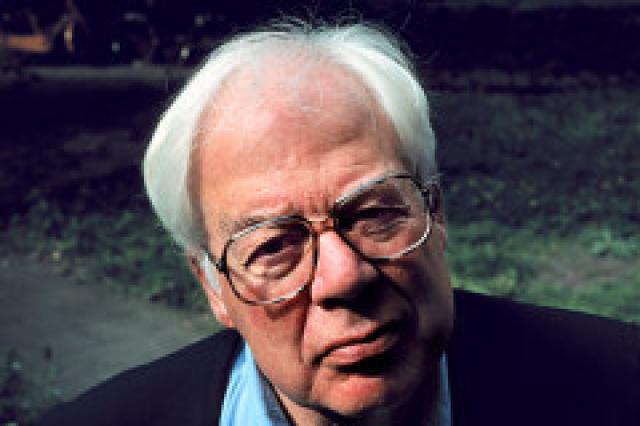
Rorty's established views and beliefs led him to move from the philosophy department to the humanities department. This shift transformed his identification of his work from the philosophical genre to "literary criticism," which, in his opinion, better corresponded to the meaning of philosophy. Rorty's views on criticizing philosophical doctrines are quite original. He considers the "pragmatic method of recontextualization" to be the best way of critical reading and assumes that the best critic focuses on the optimal version without paying attention to the flaws in the arguments. He may not share the views of those he criticizes and treat them as alien, allowing the opponent to construct a picture without reproach that they think "differently" and, moreover, not seeking to convert them to their own beliefs.
Richard Rorty passed away on June 8, 2007, in New York City.