Robert Stigwood
 Australia
- Biography of Robert Stigwood
- Early Life and Career
- Partnership with Joe Meek
- Success in the Music Industry
- Business Deal with EMI
- Continued Success and Legacy
Biography of Robert Stigwood
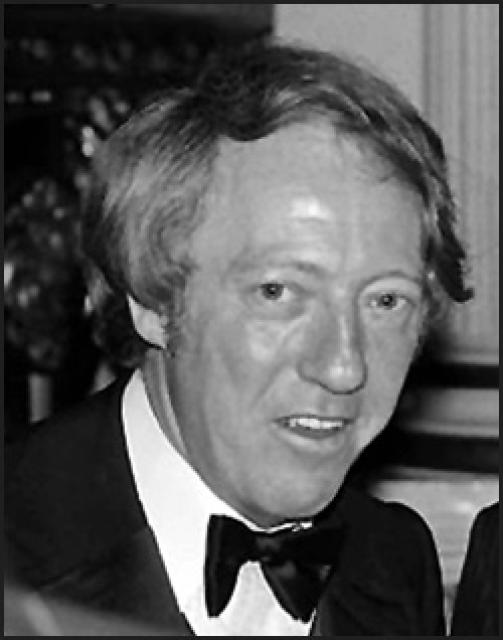
Robert Stigwood: A Pioneer in the Entertainment IndustryRobert Stigwood, born on April 16, 1934, in Adelaide, South Australia, was a producer, impresario, and entrepreneur in the entertainment industry. In the 1960s and 1970s, he became one of the most successful figures in the world of entertainment.
Early Life and Career
As the son of an electrical engineer, Stigwood began his career as a copywriter for a local advertising agency. In 1955, he moved to England, where he spent several months living in a small cabin with a friend, working on fields in Turkey. In England, he found a job in an institution for mentally challenged children, primarily choosing night shifts and overseeing dormitories to maintain peace and quiet after lights out. This occupation was disheartening and unpleasant, so he soon abandoned it.
Partnership with Joe Meek
Stigwood met businessman Stephen James, became friends with him, and together they opened a small theatrical agency. One of their clients was a promising young singer and actor named John Leyton, who later became a star in films such as "The Great Escape" and "Expresso Bongo." Stigwood's short partnership with music producer Joe Meek revolutionized the British music industry. Meek, a talented music engineer, had accumulated enough professional equipment to create a studio in his London apartment. With Stigwood's support, Meek became the first British producer to fully understand the complex chain of music production.
Success in the Music Industry
Stigwood produced Leyton's first single, a cover version of Ray Peterson's hit "Tell Laura I Love Her." Unfortunately, the single lost to another cover version by Welsh singer Ricky Valance, and Leyton's follow-up single, "Girl On The Floor Above," was completely ignored. However, thanks to Stigwood's management, Leyton secured a role as a pop star in the television series "Harper's West One." The trio of Meek, Stigwood, and Leyton's first British hit was the song "Johnny Remember Me." However, Stigwood was dissatisfied with Meek's eccentric working style, and they decided to work with a commercial studio. The sound quality improved, but Meek's unique "Joe Meek sound" was lost forever. Leyton's pop career declined in 1964, followed by his acting career.
Business Deal with EMI
In late 1961, Stigwood struck a deal with Sir Joseph Lockwood, the managing director of EMI. While working with other artists, Robert received a meager percentage from the contracts, making it difficult for him to profit from the recordings. Later, Stigwood became highly successful by taking total control of the recording and promotion processes for his artists. He became an agent, manager, producer, concert promoter, and publisher all at once. Stigwood rarely discusses his homosexuality and how it affected his career. Only he can answer whether it helped him gain access to the British show business scene. However, other important figures in the music industry, such as Sir Joseph Lockwood, Larry Parnes, Brian Epstein, Keith Lambert, Lionel Bart, Simon Napier-Bell, and Joe Meek, were also gay.
Continued Success and Legacy
Stigwood spent several years at the height of his success, leading an extravagant and lavish lifestyle. To maintain his earnings, he occasionally produced pop concerts and took on the risky business of promoting events at seaside resorts, which depended heavily on the unpredictable English weather. As he aggressively expanded his music empire, Stigwood found himself embroiled in a legendary feud with Don Arden, a prominent figure in the British pop scene. Arden, along with his henchmen and two thugs, physically assaulted Stigwood, took him out onto a balcony, and left him hanging four stories above the pavement. This horrific incident had been pre-planned, and Arden asked his friends whether to let Stigwood fall or forgive him. They unanimously shouted, "Throw him." However, Stigwood was pulled back from the balcony and warned never to interfere with Arden's artists again.
Stigwood managed musical groups such as Cream and The Bee Gees, promoted singer Oscar, and produced several films. His company, the Robert Stigwood Organisation, propelled artists like Mick Jagger, Rod Stewart, David Bowie, and others to fame. To this day, Stigwood remains active in the theatrical music industry.