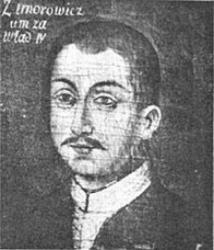
Robert Wace
- Wace: A 12th-Century Norman Poet
- Le Brut d'Angleterre: The Birth of Arthurian Legend
- Roman de Rou: A Norman Epic
- Expanding the Arthurian Myth
- Historical Importance
- Literary Style
- Philosophical Reflections
- Later Life and Death
Wace: A 12th-Century Norman Poet
Birth and Early LifeBorn on the Isle of Jersey circa 1115, Wace (also known as Vaice, Gace, Gasse, Uiotace) was a Norman poet who received his education at Caen.
Le Brut d'Angleterre: The Birth of Arthurian Legend
Wace's first major work, "Le Brut d'Angleterre" (The Brut of England), written in 1155, is a lively account of the legendary history of Great Britain. Drawing inspiration from Geoffrey of Monmouth's Latin chronicle, Wace introduced elements of chivalrous behavior, romanticized relationships, and the creation of the famed Round Table.
Roman de Rou: A Norman Epic
In "Roman de Rou," a historical epic, Wace celebrated the exploits of his Norman countrymen. Composed in both eight-syllable and Alexandrine verses, the poem chronicles the invasion of Normandy and England, the deeds of Duke Rollo and his successors, and the rivalry between the French and Normans.
Expanding the Arthurian Myth
Wace played a pivotal role in shaping the Arthurian legend. His depiction of King Arthur as the head of the Round Table, a symbol of equality and chivalry, inspired later writers to explore the complexities of the Arthurian universe.
Historical Importance
Wace's works provided invaluable historical insights into the events of the 12th century in France, England, and Denmark. His chronicles captured the spirit and language of the Norman people under their dukes.
Literary Style
Though the verse and rhymes of Wace's poems were underdeveloped by modern standards, their simplicity and sincerity added a unique charm. His naive language effectively conveyed the primitive emotions and characters he portrayed.
Philosophical Reflections
Wace's works also contained philosophical musings on the transience of human endeavors, expressed in the vivid imagery of crumbling monuments and fading beauty. These reflections, though commonplace in later periods, held a profound melancholy in the context of Wace's medieval world.
Later Life and Death
Wace likely died in England around 1183. His works continue to be cherished as invaluable sources of history, literature, and the development of the enduring Arthurian legend.