Roger Syd
 Great Britain
- Birth and Early Life
- Friendship and Drug Use
- Formation of Pink Floyd
- Mental Health Struggles and Group Departure
- Solo Albums and Retreat
- Legacy and Influence
Birth and Early Life
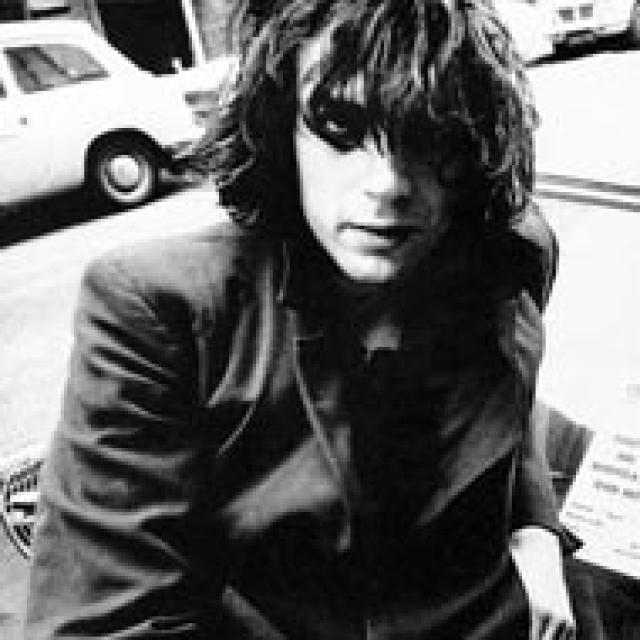
Roger "Syd" Keith Barrett, a legend in the psychedelic rock world, was born on January 6, 1946, in Cambridge. At the age of eleven, Barrett entered Cambridge High School, where he showed promise in art but ultimately gravitated towards music. Inspired by his older brother Alan's saxophone playing, Barrett took up the guitar. Unlike most teenagers at the time, he held no affinity for Elvis Presley; his idols from the age of twelve included Chuck Berry, Bo Diddley, and Buddy Holly.
Friendship and Drug Use
Around the same time, Barrett befriended David Gilmour, Pink Floyd's future guitarist and eventual replacement. Although Barrett initially appeared outgoing, he harbored secrets. By nineteen, he had taken his first LSD trip, following two years of marijuana use. Though Barrett experimented with heroin before his twentieth birthday, LSD remained his preferred form of escapism.
Formation of Pink Floyd
Barrett's first band was Geoff Mott and The Mottoes. He later joined Those Without but quickly moved on to Roger Waters' Sigma 6, becoming its frontman. The band's name evolved until Barrett suggested "Pink Floyd" in 1965. By late 1966, the group had gained a following in psychedelic circles, and by 1967, they were on their way to becoming a household name. Barrett was an innovator in music, pioneering the use of guitar feedback and lightshows in live performances.
Mental Health Struggles and Group Departure
The debut Pink Floyd album catapulted them to psychedelic rock stardom. However, Barrett's escalating LSD use began to take a toll on his mental health. By the release of their second album, Barrett was dismissed from the band. After a period of improvement, he expressed plans to return to music.
Solo Albums and Retreat
In March 1969, the erratic Barrett spontaneously arrived at Abbey Road Studios, requesting to record an album. The rush-job recording captured two distinct Barretisms: the lucid Syd who began "Madcap Laughs" and the mentally unwell Syd who finished it. Initial reception was relatively favorable, and the album sold respectably. Barrett's second solo album, simply titled "Barrett," was recorded on EMI later in 1970. Benefiting from a stable band and more musical structure, the album was generally more well-received.
By the end of 1970, Barrett's mental difficulties led him to return to his mother's home in Cambridge. Despite his declining health, he briefly played in a band called Stars. Beyond that, his condition prevented him from engaging in any significant creative work. In 1988, an album entitled "Opel" was released, featuring previously unreleased recordings.
Legacy and Influence
Barrett's output may have ended in 1970, but his profound influence continues to this day. He remains a cult hero on both sides of the Atlantic, and his innovative and evocative music has inspired countless artists.


