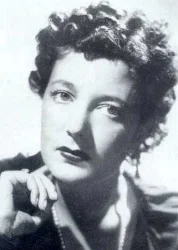
Roh Tae-woo
Roh Tae-woo rose from army general to South Korea’s first president elected by direct popular vote in decades. His 1988 election followed mass protests and a promise to restore direct presidential elections, but it also came after he had helped lead a military coup and stood within the authoritarian government responsible for the Gwangju crackdown. His presidency brought international openings and democratic reforms, while his role in earlier abuses later led to criminal convictions.
From the military to the presidency
Born in Daegu on December 4, 1932, Roh attended the Korea Military Academy and served in the armed forces. He became a close associate of Chun Doo-hwan, another army officer who rose to power after President Park Chung-hee was assassinated in 1979. In December of that year, Roh took part in the military coup led by Chun. The following year, as the military government crushed the pro-democracy uprising in Gwangju, Roh remained a senior figure in the ruling military circle.
In June 1987, amid nationwide demonstrations demanding democracy, Roh was selected as the ruling party’s presidential candidate. On June 29 he announced a package of reforms, including direct presidential elections and greater civil liberties. The declaration came under immense public pressure and marked a turning point in the country’s transition away from military rule. Roh won the December election, aided by a split among opposition candidates, and took office in February 1988.
A changing South Korea
Roh’s presidency coincided with the Seoul Summer Olympics, which showcased South Korea to a global audience. His government also relaxed some controls on the press and political activity as the new constitutional order took effect. Democracy remained incomplete and contested, but the direct election created a different basis for presidential legitimacy and opened space for further political competition.
His foreign policy, known as Nordpolitik, sought closer ties with countries that had supported North Korea or maintained communist governments. South Korea established diplomatic relations with the Soviet Union in 1990 and China in 1992. In 1991, both Koreas joined the United Nations, and they signed an agreement on reconciliation, non-aggression, exchange and cooperation. These moves expanded Seoul’s diplomatic reach and helped reshape the Cold War landscape on the peninsula, though they did not resolve the division of Korea.
Trial and legacy
After leaving office in 1993, Roh faced investigations into a large political slush fund and his role in the 1979 coup and the 1980 crackdown in Gwangju. In 1996, he was convicted of corruption and crimes connected to the coup and the military’s violence against the Gwangju uprising. He received a lengthy prison sentence, which was later reduced, and was pardoned in 1997.
Roh died in Seoul on October 26, 2021, aged 88. His legacy remains sharply divided. He accepted direct elections when protest movements had made the authoritarian system untenable and presided over steps that widened South Korea’s political space and global ties. Yet he was also a participant in the coup and a leader within the military regime that suppressed the Gwangju uprising. The tension between those parts of his record continues to shape how his presidency is remembered.