Rosalba Carriera
 Italy
Italy- Rosalba Carriera: A Celebrated Rococo Artist
- Recognition and Success in Rome
- Move to Paris and Rococo Inspiration
- Fame and Royal Patronage
- Imperial Connections and Career
- Widespread Popularity and Aesthetic Appeal
- Later Years and Legacy
Rosalba Carriera: A Celebrated Rococo Artist
Early Life and EducationRosalba Carriera, born into a family of lacemakers, emerged as a prominent artist of the Venetian school. Her early artistic training, possibly under her mother's guidance, likely involved decorating ivory snuffboxes for tourists. This experience sparked her interest in portrait miniatures.
Recognition and Success in Rome
At the age of 25, Carriera's talent was recognized with her election to the esteemed Accademia di San Luca in Rome.
Move to Paris and Rococo Inspiration
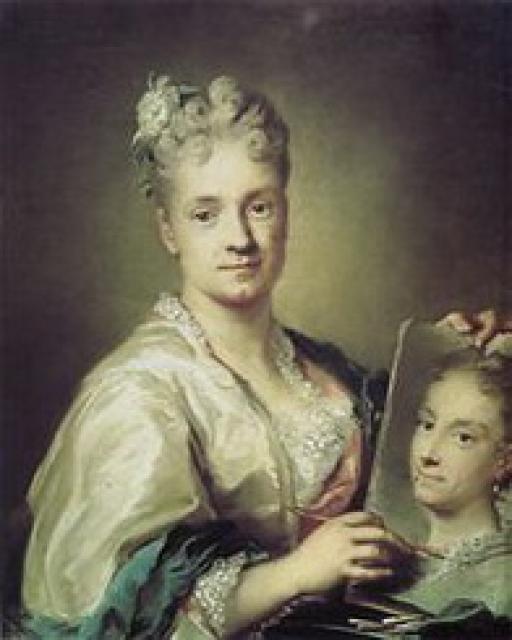
In 1716, Carriera met the influential financier and art enthusiast Pierre Crozat, who encouraged her to move to Paris in 1720. Her pastel portraits became a sensation in the French capital, contributing to the nascent Rococo art movement. She received a commission for 36 portraits of the royal family, including the iconic depiction of the young Dauphin Louis, later King Louis XV.
Fame and Royal Patronage
In Paris, Carriera befriended Antoine Watteau and painted his portrait. She was elected a member of the prestigious Académie Royale de Peinture et de Sculpture. After her return to Venice in 1721, she continued to enjoy success and recognition at home.
Imperial Connections and Career
In 1730, Carriera traveled to Vienna, where she spent six months working for Emperor Charles VI. Her most notable pupil there was the future Empress Maria Theresa.
Widespread Popularity and Aesthetic Appeal
Carriera's portraits captivated the European monarchy and nobility. Her subjects exuded charm, beauty, and a feminine allure that resonated with the Rococo sensibility. Her works were renowned for their gentle enchantment and portrayal of a carefree and ethereal inner world.
Later Years and Legacy
In the 1750s, Carriera lost her sight, ending her artistic career despite two failed cataract surgeries. Her enduring legacy has inspired numerous biographies, including the recent historical novel by German author Michaela Jarisch.