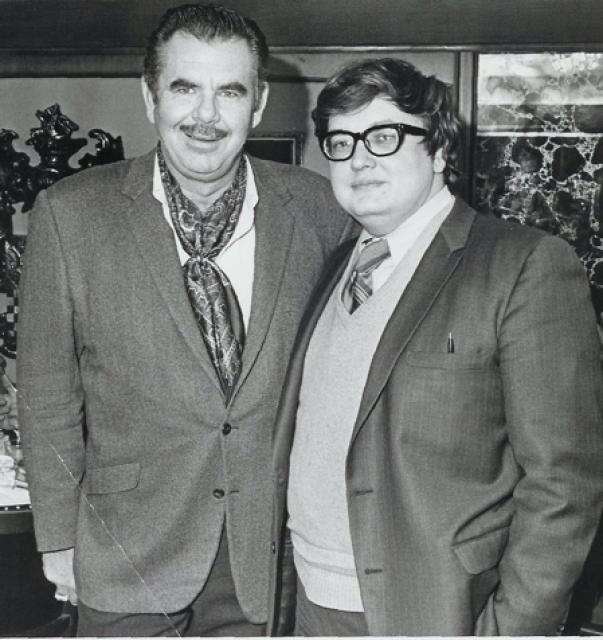
Russ Meyer
 USA
USABiography of Russ Meyer
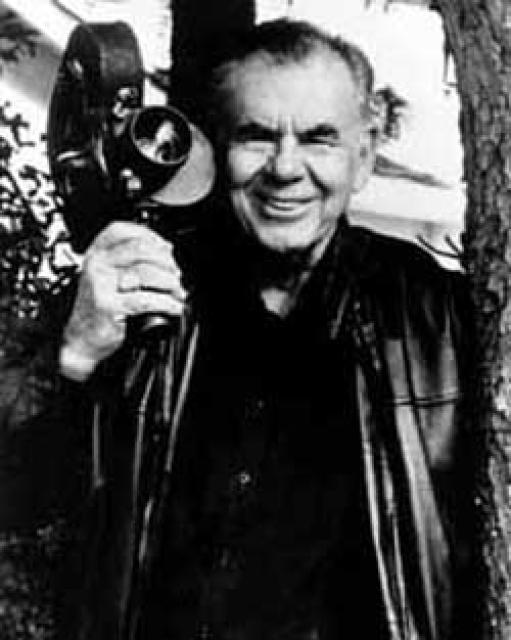
Russell Albion 'Russ' Meyer, a producer, screenwriter, editor, and director, was born in 1922 in Oakland, California, to a police officer and a nurse. His parents divorced when he was young, and he had no further contact with his father. Meyer began making amateur films in his childhood after receiving an 8mm camera as a gift from his mother, who had to pawn her engagement ring to buy it.
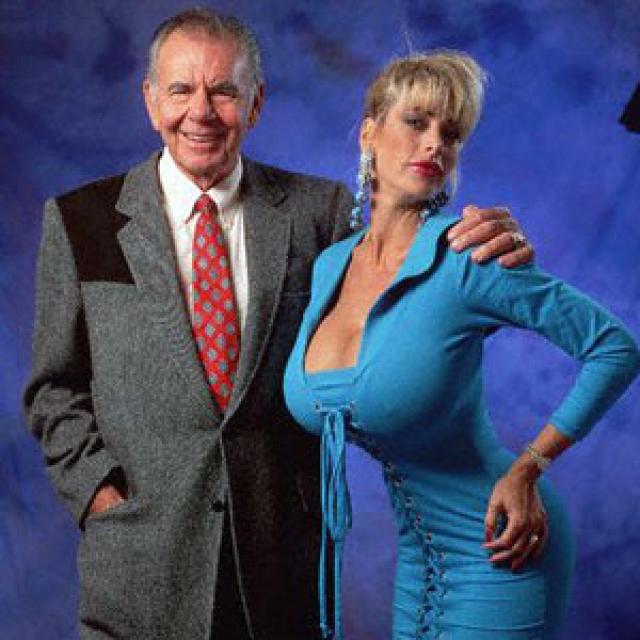
During World War II, Meyer served in the army as a combat cameraman. After the war, he developed a passion for photography, and his work soon caught the attention of Playboy magazine, where his photographs were published.
In 1959, Meyer made his directorial debut with the low-budget comedy "The Immoral Mr. Teas," an absurd story about a man who can see through women's clothing. The film became one of the first to feature nudity and garnered significant interest. In 1961, Meyer directed the comedy "Erotica," for which he also wrote the screenplay. The comedy western "Wild Gals of the Naked West" was released in 1962.
In the 1960s, Meyer created his signature style, which he called his "gothic period," and directed four black and white films, including "Lorna" in 1963, "Motor Psycho" in 1965, "Common Law Cabin" in 1967, and the cult classic comedy "Faster, Pussycat! Kill! Kill!" in 1965 about three strippers seeking thrills. Many consider these films to be his best directorial works.
Meyer's films were known for their simple humor, explicit sexual undertones, low budgets, and consistent success with audiences. He attracted young, colorful actresses with prominent physical features, whom he prominently featured in his films. In addition to directing, Meyer also served as the screenwriter, cameraman, producer, and even editor for his films.
One of his biggest hits was the 1970 film "Beyond the Valley of the Dolls," for which Meyer co-wrote the screenplay with film critic Roger Ebert. By that time, Meyer had been taken under the wing of 20th Century Fox, and this film became his first project with a major studio. After the relatively serious film "The Seven Minutes" in 1971, Meyer returned to making erotic films. The culmination of his success was the 1979 film "Beneath the Valley of the Ultra-Vixens," filled with grotesque erotic scenes and centered around the inhabitants of a small American town obsessed with sex.
Actresses who appeared in Meyer's films were referred to as "superwomen." Indeed, most of his heroines had voluptuous figures, which Meyer exploited in creating several crude and humorous situations in his films. His films drew criticism for their focus on large breasts, but Meyer easily defended his choices.
In his later years, Meyer worked on his autobiography. He was married three times, first to Eve Meyer, second to actress Edy Williams, and third to Betty Valdovinos. He did not have any children.
In the mid-1990s, Meyer's health began to decline, and by 2000, he was diagnosed with Alzheimer's disease. Russ Meyer passed away on September 18, 2004, at the age of 82, in his home in Hollywood Hills.


