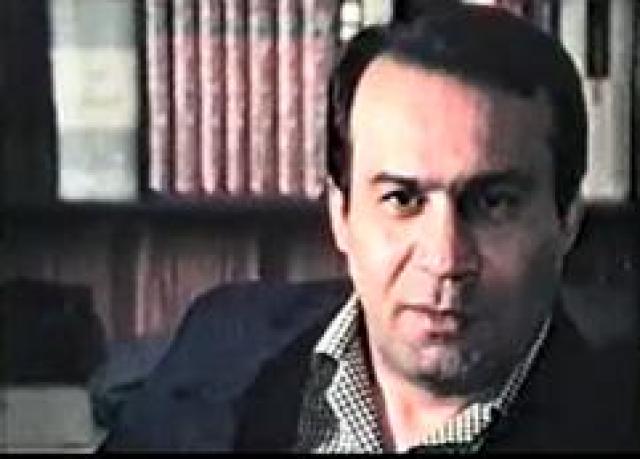
Sadegh Ghotbzadeh
 Iran
Iran- Biography of Sadegh Ghotbzadeh
- Early Life and Activism
- Political Career and Controversies
- Arrest, Trial, and Execution
Biography of Sadegh Ghotbzadeh
Sadegh Ghotbzadeh was an Iranian politician who served as the Minister of Foreign Affairs of Iran. He was born in 1936 and died on September 15, 1982. Ghotbzadeh was executed on charges of conspiring to assassinate Ayatollah Khomeini and overthrow the Islamic Republic.
Early Life and Activism
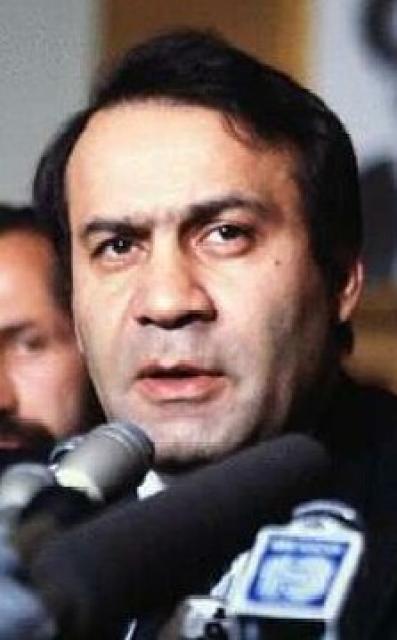
Sadegh Ghotbzadeh was born in 1936. As a student, he actively participated in the Iranian Student Confederation. He studied at the Walsh School of Foreign Service, Georgetown University from 1959 to 1963, but was expelled before completing his studies due to absenteeism and failing exams. Instead of pursuing his education, Ghotbzadeh led protests against the government of Mohammad Reza Pahlavi, the last Shah of Iran. He even stormed the party of Iran's ambassador to the United Nations, who was a relative of the Shah. Ghotbzadeh was a supporter of the National Front of Iran and the Movement for Freedom in Iran. He became a close aide to Ayatollah Khomeini during the latter's exile in France.
Political Career and Controversies
Ghotbzadeh accompanied Ayatollah Khomeini during his return to Iran on February 1, 1979. After the Islamic revolution, Ghotbzadeh was appointed as the Managing Director of the National Iranian Radio and Television (NIRT). He attempted to align state television and radio with Islamic teachings by purging royalists, women, and leftists. However, his actions received criticism from a group of Iranian intellectuals and the Interim Government.
Ghotbzadeh was appointed as the Minister of Foreign Affairs when Abolhassan Banisadr resigned from the position amidst heated debates over the fate of American hostages. According to the French news agency 'France Presse,' Ghotbzadeh claimed to possess information that Ronald Reagan, a presidential candidate at the time, was attempting to block a resolution regarding the hostage crisis. Although his claim was not officially confirmed, Ghotbzadeh's diplomatic approach to resolving the crisis led to a deadlock, and he subsequently resigned.
Arrest, Trial, and Execution
In April 1982, Ghotbzadeh was arrested along with a group of officers and clergy, including a relative of religious leader Kazem Shariatmadari. All the detainees were charged with conspiring to assassinate Khomeini and overthrow the Islamic Republic. Ghotbzadeh denied the accusations but admitted to being part of a conspiracy to change the government.
After severe torture by the Iranian authorities, Ghotbzadeh was forced to confess to all the charges against him. In April 1982, during a press conference, Chief Judge Hojjat al-Islam Mohammad Reyshahri revealed details of Ghotbzadeh's conspiracy, involving royalist officers, feudalists, left-wing factions, fake clergymen, the National Front, Israel, supporters of the Pahlavi regime, and the Socialist International. According to the judge, the last four groups had connections with the CIA.
Ghotbzadeh was executed by a firing squad the day after a 26-day trial, during which the military tribunal found him guilty and sentenced him to death.


