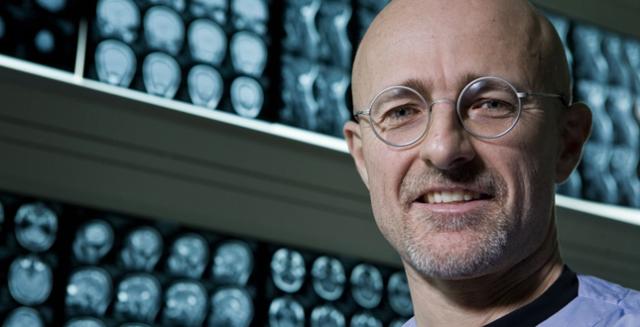
Sergio Canavero
 Italy
Italy- Italian Surgeon Sergio Canavero Plans Head Transplantation Surgery
- Canavero's Project and Procedure Details
- Previous Experiments and Public Reaction
Italian Surgeon Sergio Canavero Plans Head Transplantation Surgery
Italian transplant surgeon Sergio Canavero plans to make a groundbreaking achievement in modern medicine within the next two years - a human head transplantation surgery. Canavero recently revealed his plans at a TEDx event, stating that the procedure will become possible in the next two years. This revolutionary technology could significantly prolong the lives of people suffering from serious health issues, such as advanced forms of cancer or muscle and nerve degeneration. While the widespread implementation of this complex procedure is still far away, the mere possibility of such a procedure will forever change the face of modern medicine.
Canavero's Project and Procedure Details
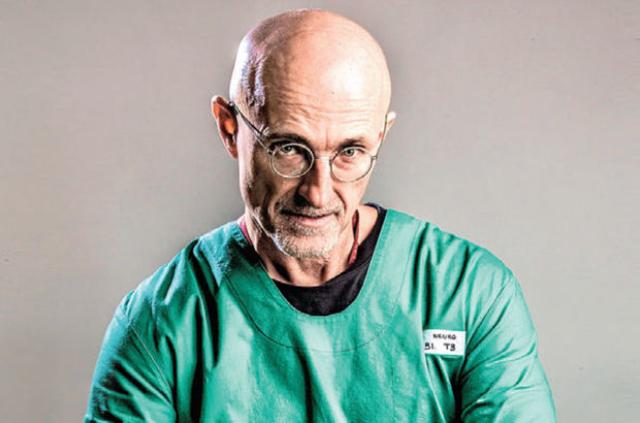
According to The New Scientist, Dr. Canavero plans to present his project at an upcoming conference of the American Academy of Neurology and Orthopedics in Annapolis, Maryland in June. Canavero has already described the process of head transplantation, which involves cooling the head and the donor body, connecting the major blood vessels of the head and body, cutting and fusing the spinal cords, and using a substance called polyethylene glycol to facilitate fusion. To ensure a successful recovery, the patient will be placed in a coma for four weeks. Canavero estimates that after awakening, the patient will regain facial movement, sensory function, and the ability to speak with their original voice. Full motor function recovery will take longer, but Canavero aims to have the patient walking within a year of the surgery.
Previous Experiments and Public Reaction
While head transplantation may seem like science fiction, experiments on animals have been conducted in the past. In 1970, a successful head transplantation was performed on a monkey at a university in Cleveland. Unfortunately, the transplanted head only survived for nine days before being rejected by the immune system. Similar experiments were conducted on dogs in Russia in 1954, with the heads of puppies sewn onto the necks of adult dogs. However, these creations did not survive for more than a few days. Canavero is likely aware of these previous experiments and aims to overcome the challenges faced by previous researchers.
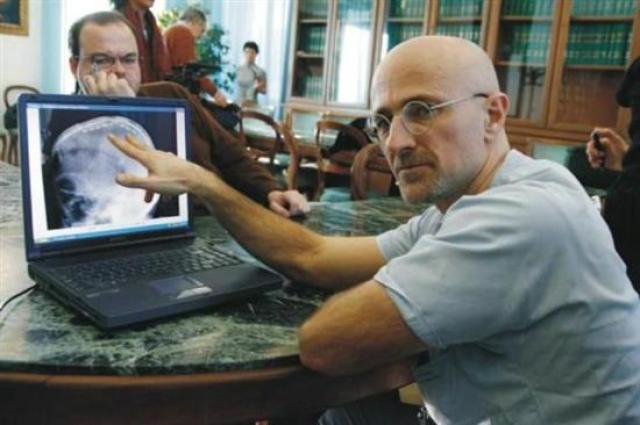
Public reaction to Canavero's theories and plans has been divided. Some believe that while the procedure is undeniably complex, it is possible with significant effort. Others are more skeptical, suggesting that such surgeries may not be feasible for several decades. The precision required during the surgery, the integration of numerous small nerve endings, and potential immune system challenges all pose significant obstacles. Only time will tell if Canavero can prove the skeptics wrong and achieve a breakthrough in the field of medicine.




