
Sheryl Crow
 USA
USA- Biography of Sheryl Crow
- Transition to the Music Industry
- Collaborations and Songwriting
- Continued Success
Biography of Sheryl Crow
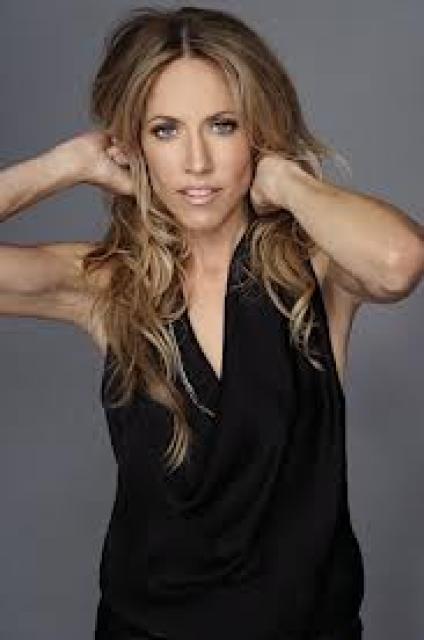
Early Life and Musical BeginningsSheryl Suzanne Crow, an American singer, guitarist, bassist, and songwriter, was born on February 11, 1962, in Kennett, Missouri. Her parents were musicians, and their home had three pianos, providing Sheryl with ample opportunity to learn and practice music. At the age of 13, she wrote her first song and later began playing keyboards in a cover band called "Cashmere." After college, Crow worked as a music teacher while performing with various bands on weekends.
Transition to the Music Industry
After leading a steady life for about two years, fate brought Sheryl into contact with a local producer who offered her the opportunity to record jingles for commercials. Her work gained recognition, and soon she began receiving orders from companies such as McDonald's and Toyota. Seeing that luck was on her side, Sheryl decided to pursue a career in music. In 1986, armed with her advertising tapes, she headed to Los Angeles. Initially, she only managed to secure work as a backing vocalist but within a year, Crow was already accompanying Michael Jackson on his "Bad" tour.
Collaborations and Songwriting
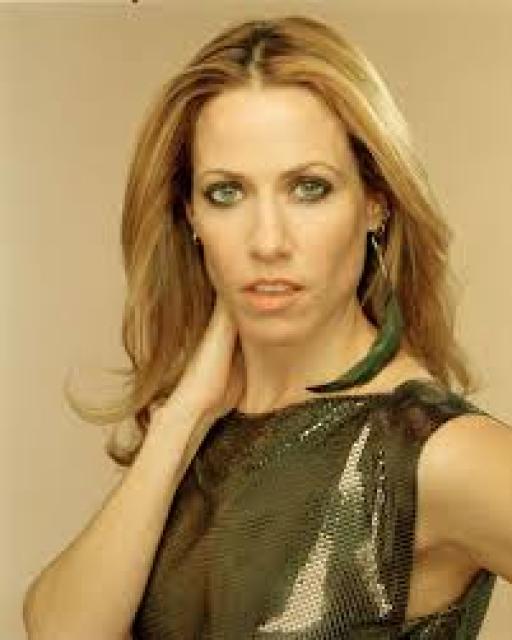
Following two years of performing on stage with the likes of Don Henley, Sting, Rod Stewart, Stevie Wonder, Foreigner, and Joe Cocker, Sheryl Crow also honed her songwriting skills. Some of her compositions were later recorded by Celine Dion and Eric Clapton. In 1991, Crow met producer Hugh Padgham, who helped her secure a contract with A&M Records. However, the album she recorded with him turned out to be overly sugary, leading Sheryl to refuse its release and fall into a deep depression. It took several months and a change of team for her to overcome her melancholy. The resulting album was released in August 1993 under the title "Tuesday Night Music Club." Initially, it received little attention until one of the songs was featured in the movie "Leaving Las Vegas." The public caught onto the album's appeal after the release of the single "All I Wanna Do." This carefree song became one of the biggest hits of the summer of 1994. The album quickly flew off the shelves, and Crow soon became the recipient of multiple Grammys, including "Best New Artist," "Best Female Rock Vocal," and "Record of the Year," although it was marred by controversy for not crediting one of the main authors of "All I Wanna Do."
Continued Success
Sheryl Crow redeemed herself with her next album, "Sheryl Crow," which had a darker, more unpolished, and socially conscious sound. With this album, she ventured into the role of producer in addition to being the songwriter and performer. "Sheryl Crow," which went triple platinum, spawned several hit singles and earned her a couple more Grammys for "Best Female Pop Vocal Performance" and "Best Rock Album." In 1997, she contributed to the soundtrack of the James Bond film "Tomorrow Never Dies," and the following year, she returned with her third album, "The Globe Sessions," which followed a more straightforward and traditional rock format. Although the songs from this album received less airplay, "The Globe Sessions," like her previous works, achieved multi-platinum status. In 1999, Crow recorded a cover of "Sweet Child O'Mine" by Guns N' Roses, which was featured in the film "Big Daddy." Additionally, she gave a free concert in New York City's Central Park, which featured appearances by Stevie Nicks, Dixie Chicks, Eric Clapton, and Keith Richards. This concert was later released as "Sheryl Crow And Friends: Live In Central Park." Surprisingly, the album did not achieve gold status, but Crow managed to regain her footing in 2002 with the release of the more pop-oriented album "C'mon, C'mon," and fully regained her position with the release of the greatest hits compilation in 2003.


