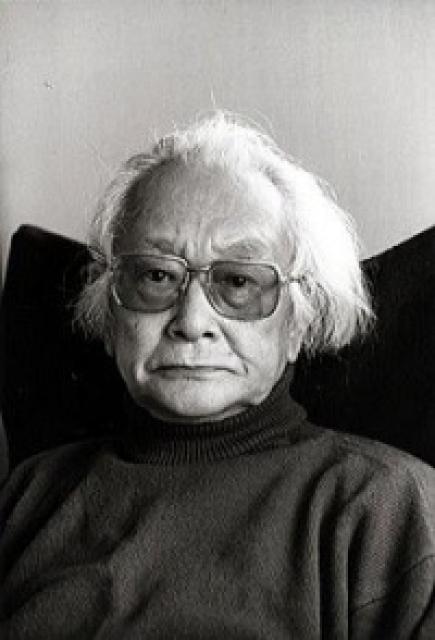
Shinichiro Nakamura
 Japan
Japan- Shinichiro Nakamura: A Titan of Japanese Modernism
- Literary Debut and "Poetic Dawn"
- Post-War Breakthrough and "Under the Shadow of Death"
- Developing a Unique Aesthetic and Themes
- Literary Scholarship and Influence
- "Four Seasons" and Later Works
- Legacy
Shinichiro Nakamura: A Titan of Japanese Modernism
Early Life and InfluencesShinichiro Nakamura was born in Tokyo into a family of literary lineage. Orphaned at a tender age, he was raised in Shizuoka by his maternal grandfather. In his formative years, Nakamura developed a profound love for literature, particularly French and classical Japanese literary traditions.
Literary Debut and "Poetic Dawn"
After graduating from the University of Tokyo, where he studied French literature, Nakamura embarked on his literary career in the 1940s. In 1942, he co-founded the literary group "Poetic Dawn" with Takéhiko Fukunaga and Shuichi Katō. The group experimented with traditional rhymed poetry forms, fusing Western and Japanese aesthetics.
Post-War Breakthrough and "Under the Shadow of Death"
Following the end of World War II, Nakamura emerged as a leading figure in Japanese literature. His novel "Under the Shadow of Death" (1946) broke new ground with its stream-of-consciousness style. In 1946, he also published the collection "Reflections on Literature" with Fukunaga and Katō, demonstrating their deep knowledge of contemporary European literature.
Developing a Unique Aesthetic and Themes
Nakamura's early works explored the plight of postwar intellectuals, grappling with the tensions between pre-war ideals and disillusioning realities. A turning point came in 1957 when his wife's untimely death triggered a severe mental illness. After treatment, Nakamura underwent a shift in his creative vision, turning to Edo-period kanshi poetry.
Literary Scholarship and Influence
In the 1960s, Nakamura emerged as a prominent literary scholar. His works on classical Japanese literature, such as "The World of The Tale of Genji" (1968), significantly contributed to scholarly discourse. As a playwright and screenwriter, Nakamura pushed the boundaries of sound landscape creation, influencing subsequent generations of avant-garde dramatists.
"Four Seasons" and Later Works
Nakamura's later years saw the creation of his acclaimed "Four Seasons" tetralogy (1975-1984), which explored the complexities of human relationships. He also penned numerous short stories and essays, delving into the universal themes of desire, loneliness, and the nature of human existence.
Legacy
Shinichiro Nakamura's literary contributions spanned multiple genres and left an enduring mark on Japanese literature. His bold experimentation and synthesis of Western and Japanese aesthetics created a unique and profound body of work. As a writer, critic, and scholar, Nakamura continues to inspire and challenge readers to this day.