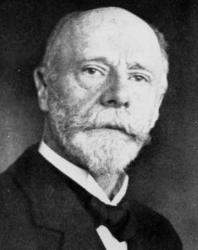
Shinya Yamanaka
 Japan
Japan- Early Life and Education
- Early Career and Postdoctoral Research
- Return to Japan and Stem Cell Research
- Groundbreaking Discovery of iPSCs
- Nobel Prize and Recognition
- Continued Research and Impact
Early Life and Education
Born in 1962 in Higashiōsaka, Japan, Shinya Yamanaka pursued his academic journey at Kobe University, graduating with a master's degree in 1987. He later earned his doctorate in 1993 from Osaka City University Graduate School.
Early Career and Postdoctoral Research
Before obtaining his doctorate, Yamanaka gained experience at National Osaka Hospital from 1987 to 1989. After completing his degree, he embarked on postdoctoral research in the United States at the Gladstone Institute of Cardiovascular Disease from 1993 to 1996.
Return to Japan and Stem Cell Research
Yamanaka returned to Japan in 1996 and continued his research at Osaka University. From 1999 to 2003, he worked at Nara Institute of Science and Technology, where his interest in stem cells began. During his tenure there, he was promoted to professor from 2003 to 2005.
Groundbreaking Discovery of iPSCs
In 2006, Yamanaka's groundbreaking research was published, demonstrating the successful reprogramming of mouse connective tissue cells into stem cells. This discovery had profound implications for medicine, as it offered a means of generating patient-specific stem cells for regenerative therapies.
Nobel Prize and Recognition
In 2007, Yamanaka extended his research to human cells, achieving similar results. This breakthrough earned him recognition as Time Magazine's Person of the Year in the same year. Yamanaka has received numerous awards for his work, including the Kyoto Prize (2010), Balzan Prize (2010), and Millennium Technology Prize (2012). The pinnacle of his academic achievements came in 2012, when he was awarded the Nobel Prize in Physiology or Medicine, sharing it with John B. Gurdon.
Continued Research and Impact
Yamanaka's research on induced pluripotent stem cells (iPSCs) has had a transformative impact on regenerative medicine and disease research. His discovery has opened up new avenues for developing personalized treatments and has the potential to revolutionize healthcare in the future.