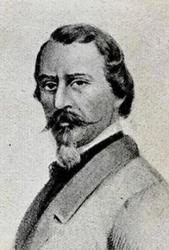
Shlomo Halevi Alkabetz
 Israel
Rabbi Shlomo Halevi Alkabetz: A Renowned Liturgical Poet and Kabbalist
Rabbi Shlomo Halevi Alkabetz, a prominent Jewish liturgical poet and Kabbalist, lived during the 16th century. His most renowned work, the hymn "Lekha Dodi," which extols the joy and holiness of the Sabbath, has become an integral part of Jewish liturgy.
Early Life and Education
Rabbi Alkabetz was born in 1505 in Thessaloniki, part of the Ottoman Empire, into a family exiled from Spain. He studied under the renowned rabbi, Rabbi Yosef Taitatzak, and at the age of 24, married the daughter of a wealthy merchant from Thessaloniki. Instead of a traditional wedding gift, Alkabetz presented his bride and her family with the "Manot HaLevi," a book he had recently completed.
Literary Pursuits
After his marriage, Alkabetz relocated to Adrianople, where he authored several significant works. Around 1535, he settled in Safed, a major center of Jewish mysticism, and immersed himself in the study of Kabbalah. His teachings gained recognition from eminent rabbis and Kabbalists, including Rabbi Moshe Cordovero and Rabbi Yosef Caro.
Mystical Insights and Influence
Alkabetz's profound understanding of Kabbalah and mysticism is evident in his writings. His works explore the mystical significance of Jewish rituals and traditions, uncovering hidden dimensions of spiritual practice. His hymn "Lekha Dodi," written in Safed around 1545, beautifully encapsulates the mystical experience of welcoming the Sabbath as the bride of Israel.
Legacy and Impact
Rabbi Shlomo Halevi Alkabetz passed away in 1584 in Safed, leaving behind a lasting legacy in Jewish liturgy and mysticism. His hymns continue to be sung in synagogues worldwide, inspiring generations of Jews with their spiritual depth and poetic beauty. Alkabetz remains a revered figure in Jewish history, recognized for his contributions to both the liturgical and mystical traditions of Judaism.