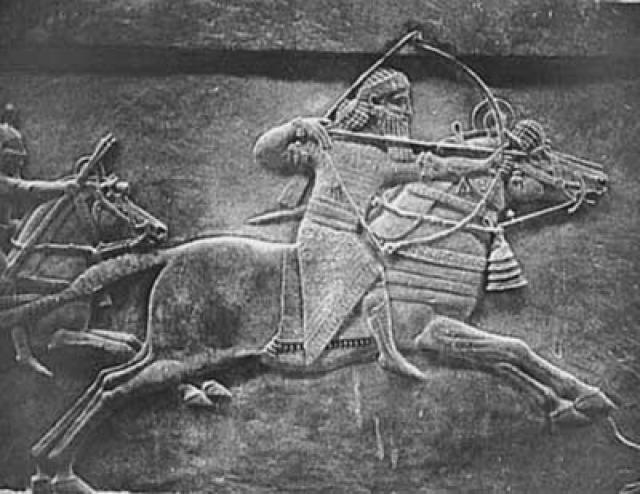
Sinahherib Sinahherib
 Iraq
Iraq- Sennacherib, King of Assyria
- First Campaign (704 BCE): Siege of Babylon
- Second Campaign (702 BCE): Invasions in the East and West
- Third Campaign (701 BCE): Invasion of Judea
- Fourth Campaign (700 BCE): Re-establishment of control in Babylonia
- Fifth Campaign (695 BCE): Expeditions against Mountain Tribes
- Sixth Campaign (694 BCE): Naval Invasion of Elam
- Seventh Campaign (693 BCE): Final Campaign against Babylon and Elam
- Assassination and Legacy
Sennacherib, King of Assyria
Sennacherib, King of Assyria from 704 to 680 BCE, was the son of Sargon II. Known for his military conquests, he faced numerous challenges throughout his reign.
First Campaign (704 BCE): Siege of Babylon
In 704, Sennacherib launched a campaign against Babylonia to suppress a revolt led by Marduk-apla-iddina II. After capturing the city of Babylon, he appointed a vassal king and imposed heavy tribute.
Second Campaign (702 BCE): Invasions in the East and West
Sennacherib's second campaign targeted Eastern and Western territories. He conquered nomadic tribes in Eastern Assyria and expanded his control in the Ellip region. In the West, he defeated a coalition led by Tyre and Sidon, conquering numerous cities along the Mediterranean coast.
Third Campaign (701 BCE): Invasion of Judea
In 701, Sennacherib launched an invasion of Judea, where King Hezekiah had rebelled against Assyrian rule. He captured numerous Judean cities but failed to take Jerusalem. Hezekiah paid a heavy tribute to avoid further conflict.
Fourth Campaign (700 BCE): Re-establishment of control in Babylonia
Sennacherib returned to Babylonia in 700 BCE to quell another uprising led by Marduk-apla-iddina II. He replaced the rebellious king with his own son, Ashur-nadin-shumu, and ruthlessly suppressed the Chaldean tribes.
Fifth Campaign (695 BCE): Expeditions against Mountain Tribes
Sennacherib undertook a campaign against mountain tribes in the northeast, conquering several cities and capturing their inhabitants. He also suppressed a revolt in the Media region.
Sixth Campaign (694 BCE): Naval Invasion of Elam
In 694, Sennacherib launched a naval invasion of Elam, seeking to eliminate Marduk-apla-iddina II. With the help of skilled shipbuilders, he constructed a fleet and crossed the Persian Gulf. He captured the city of Nagitu but failed to capture Marduk-apla-iddina II.
Seventh Campaign (693 BCE): Final Campaign against Babylon and Elam
Sennacherib's final campaign focused on Babylon and Elam. He captured the Babylonian city of Sippar and defeated the combined forces of Babylon and Elam at the Battle of Nippur. He subsequently invaded Elam, capturing several cities and forcing the Elamite king to flee.
Assassination and Legacy
Sennacherib's reign ended abruptly in 680 BCE when he was assassinated by his sons, Adramelech and Sharezer. The reasons for his assassination remain unclear, but it may have been related to his military failures or conflicts with the priesthood.
Sennacherib left a significant legacy as a powerful and ambitious king. His military campaigns expanded the Assyrian Empire and brought vast territories under his control. However, his harsh and oppressive policies also contributed to the empire's eventual downfall.