Stella Arauso
- Stella Araúz: Art Director and Leading Lady
- The Spanish Spirit and Family Values
- The Flamenco Revolution: Returning Carmen to Her Roots
- The Legacy of Antonio Gades
- The Art of Flamenco: Embodied Expression
- The Significance of Footwear
- The Enduring Power of Flamenco
Stella Araúz: Art Director and Leading Lady
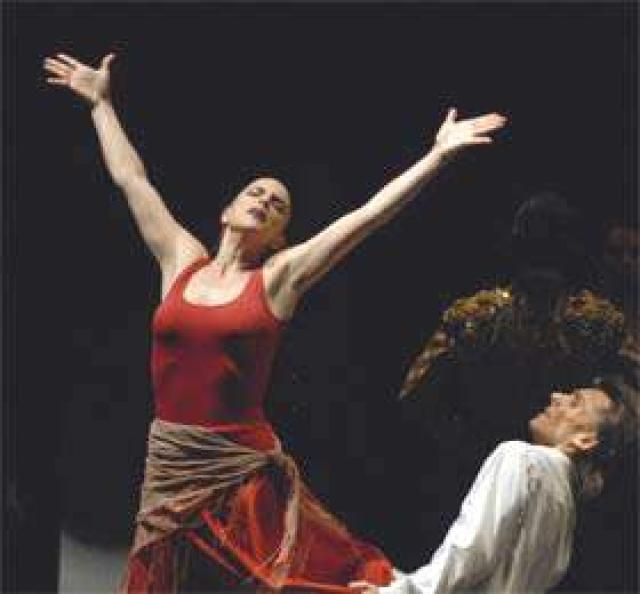
The Essence of CarmenAs the art director of the "Ballet Antonio Gades," Stella Araúz embodies the enigmatic Carmen in their latest production. While acknowledging the technical challenges, such as the expressive use of hands in the dance, Araúz emphasizes the importance of emotional restraint in portraying the titular heroine. Drawing inspiration from the late Antonio Gades' restrained yet passionate demeanor, she aims to capture the essence of Carmen's indomitable spirit without succumbing to excessive theatrics.
The Spanish Spirit and Family Values
Despite initial perceptions, Araúz discovers a kinship with her fictional counterpart beyond their shared Spanish heritage. While Carmen's promiscuity contrasts with her own strong family ties, she recognizes a common thread of freedom and independence running through every Spanish woman. This freedom, for Araúz, translates into a sense of personal dignity and financial independence, while maintaining equal partnership and respect within her marriage.
The Flamenco Revolution: Returning Carmen to Her Roots
Araúz believes that flamenco, with its deep connection to Spanish gypsy culture, is the most authentic medium for interpreting Carmen. Through Antonio Gades' choreography, she feels that the character has been restored to her rightful place.
The Legacy of Antonio Gades
Having worked closely with Gades from the age of 17, Araúz holds him in the highest regard as a mentor and inspiration. She recalls his insistence on honesty, integrity, and the importance of upholding principles. Despite his demanding nature in rehearsals, his words of encouragement after performances transformed their relationship into one of deep affection. The preservation of Gades' works is now a sacred mission for Araúz and her fellow dancers.
The Art of Flamenco: Embodied Expression
Araúz debunks the common misperception that Spaniards are born dancers. True flamenco proficiency is achieved through a combination of natural talent and rigorous training, with only a small percentage of Spaniards possessing the necessary skills. Her own passion for flamenco ignited at a tender age, and she has dedicated herself to its mastery ever since.
The Significance of Footwear
In the world of flamenco, shoes are not merely accessories but extensions of the dancer's body. Araúz, like her compatriot Joaquín Cortés, cherishes her custom-made shoes, each pair possessing a unique character that enhances her performances. Only when a pair is irrevocably worn does she consider replacing it.
The Enduring Power of Flamenco
Professional flamenco dancers typically retire around the same age as ballet dancers, between 35 and 38. However, soloists can extend their careers into their fifties. Araúz believes that flamenco, like any other art form, can be mastered by anyone with sufficient dedication and a genuine connection to its cultural roots. Only through such immersion can the true essence of flamenco blossom.